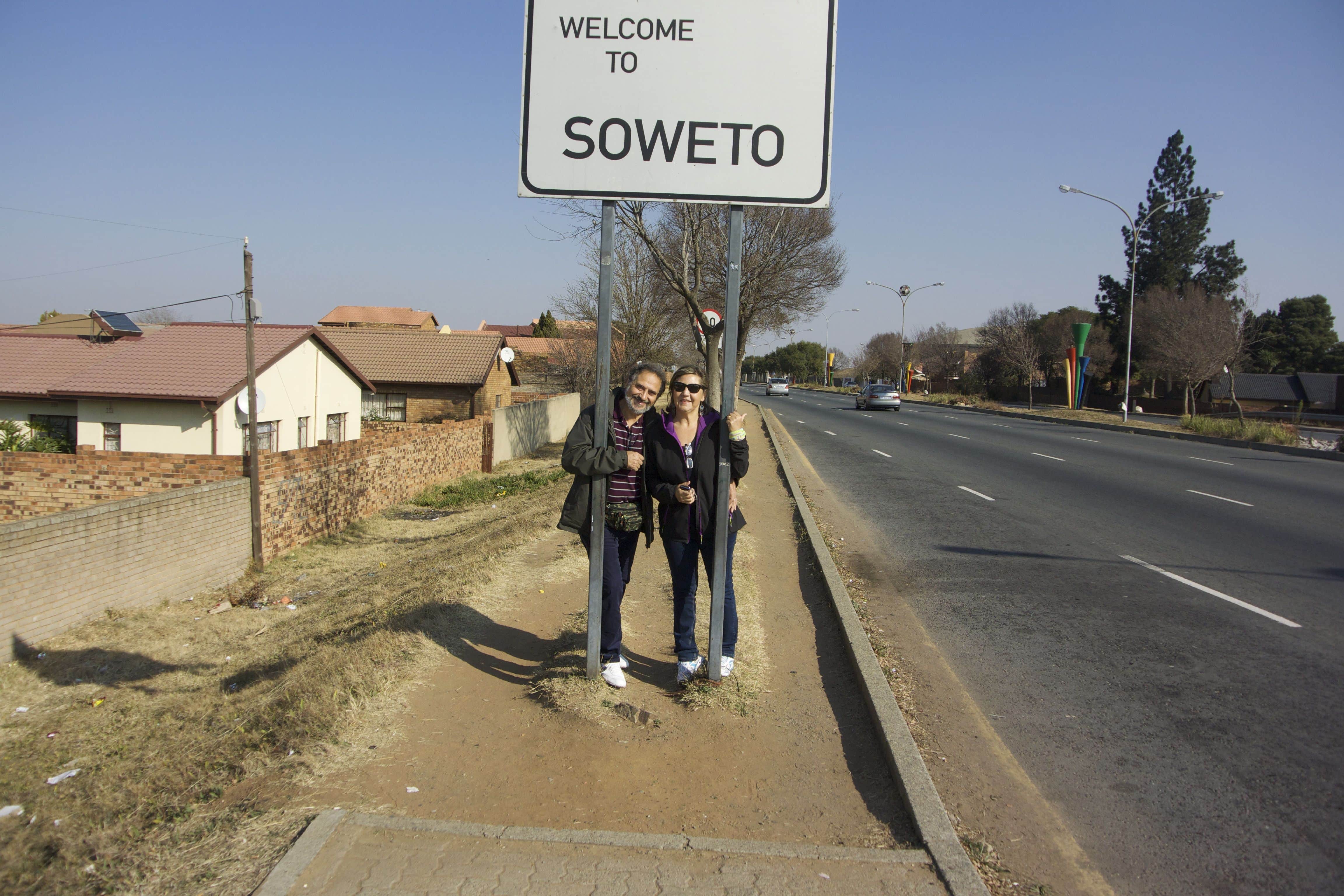
At 9:00 we leave for Soweto with a driver of the Boyang Gape Tours, who also serves as a guide,
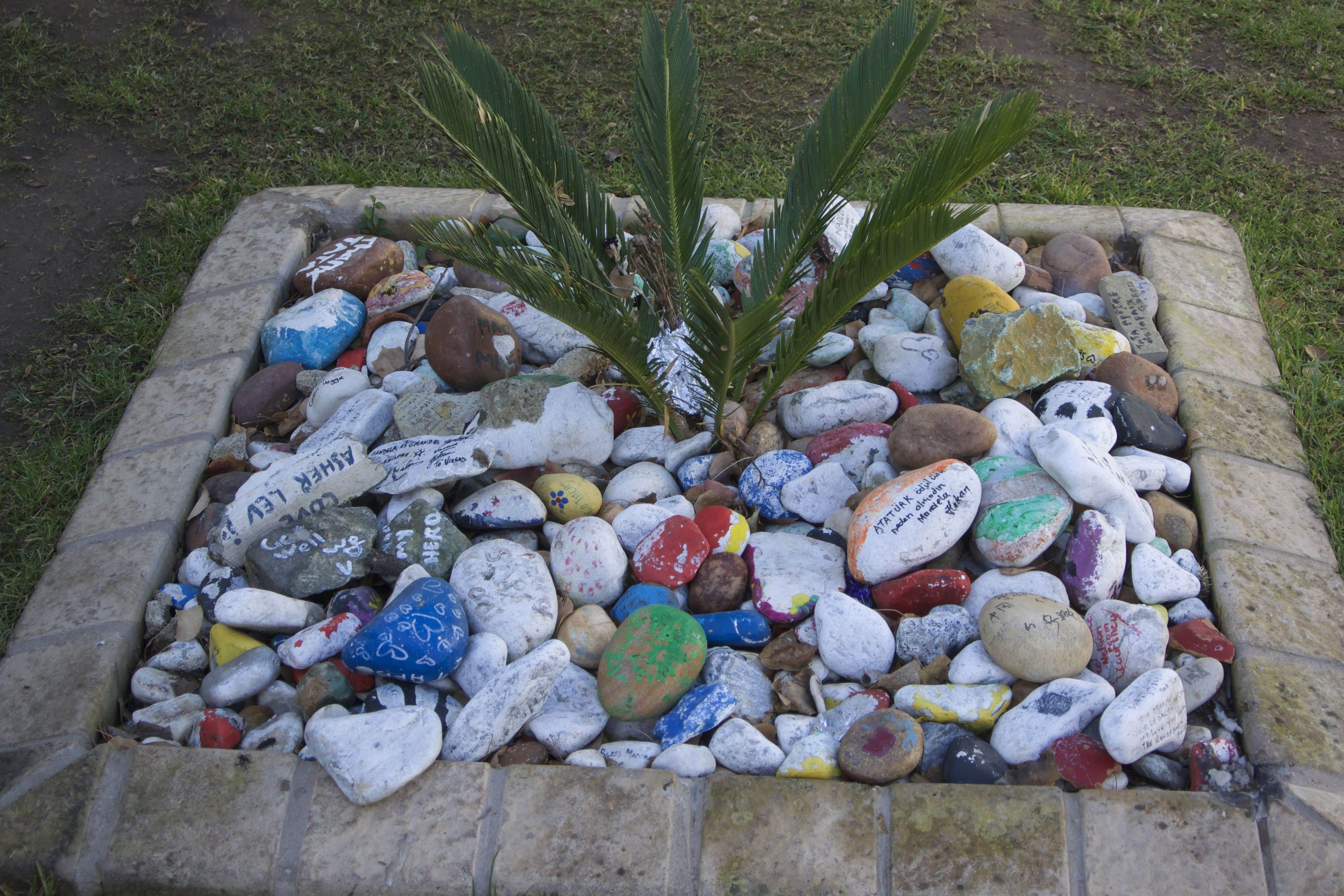
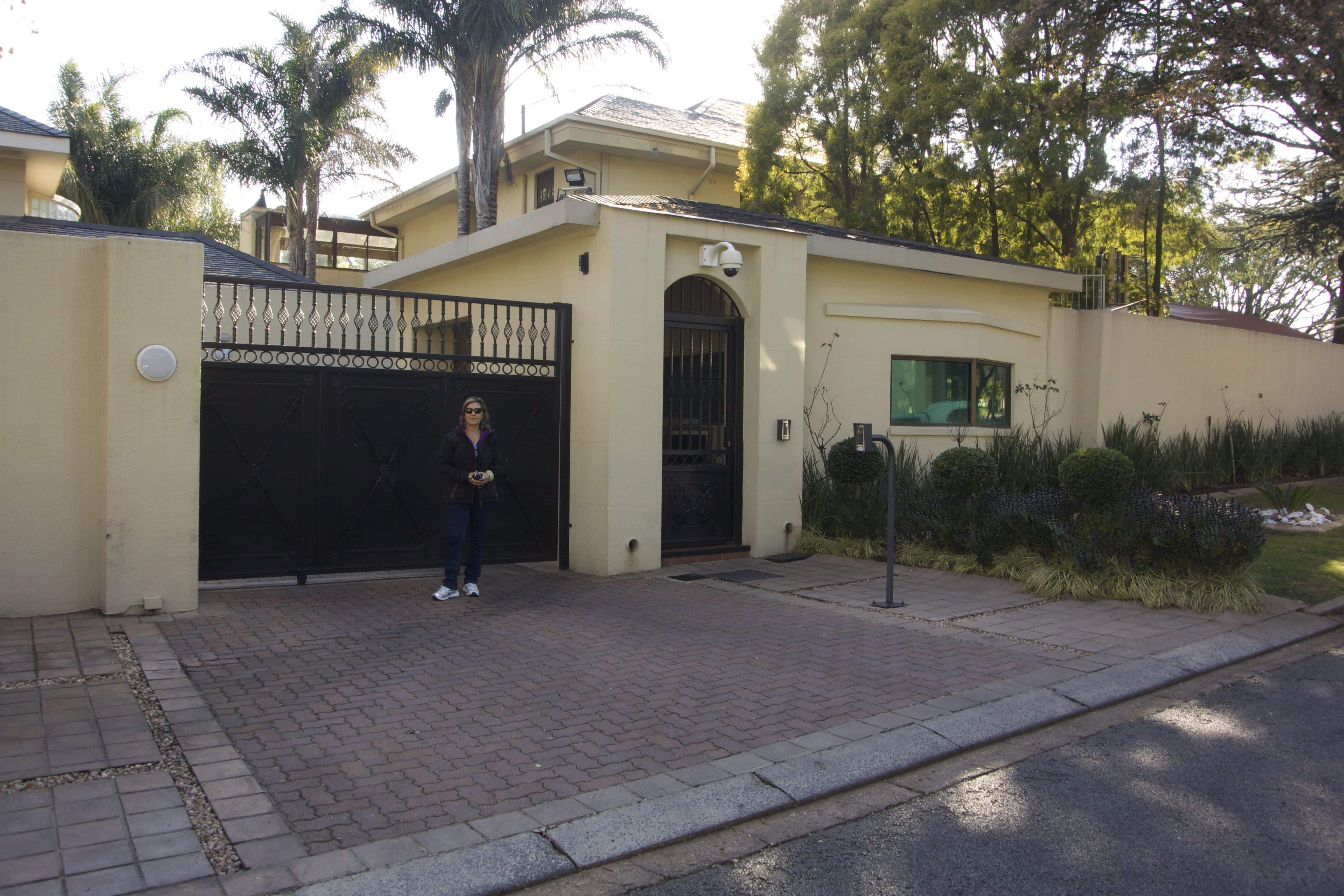
First stop at the last Mandela’s house, where he lived until his death. Photos of the rite in front of the gate. What is striking is not so much the house, but the flowerbeds that are on the road, where the plants are surrounded by many rocks, much of which are painted and with dedications to the great man.
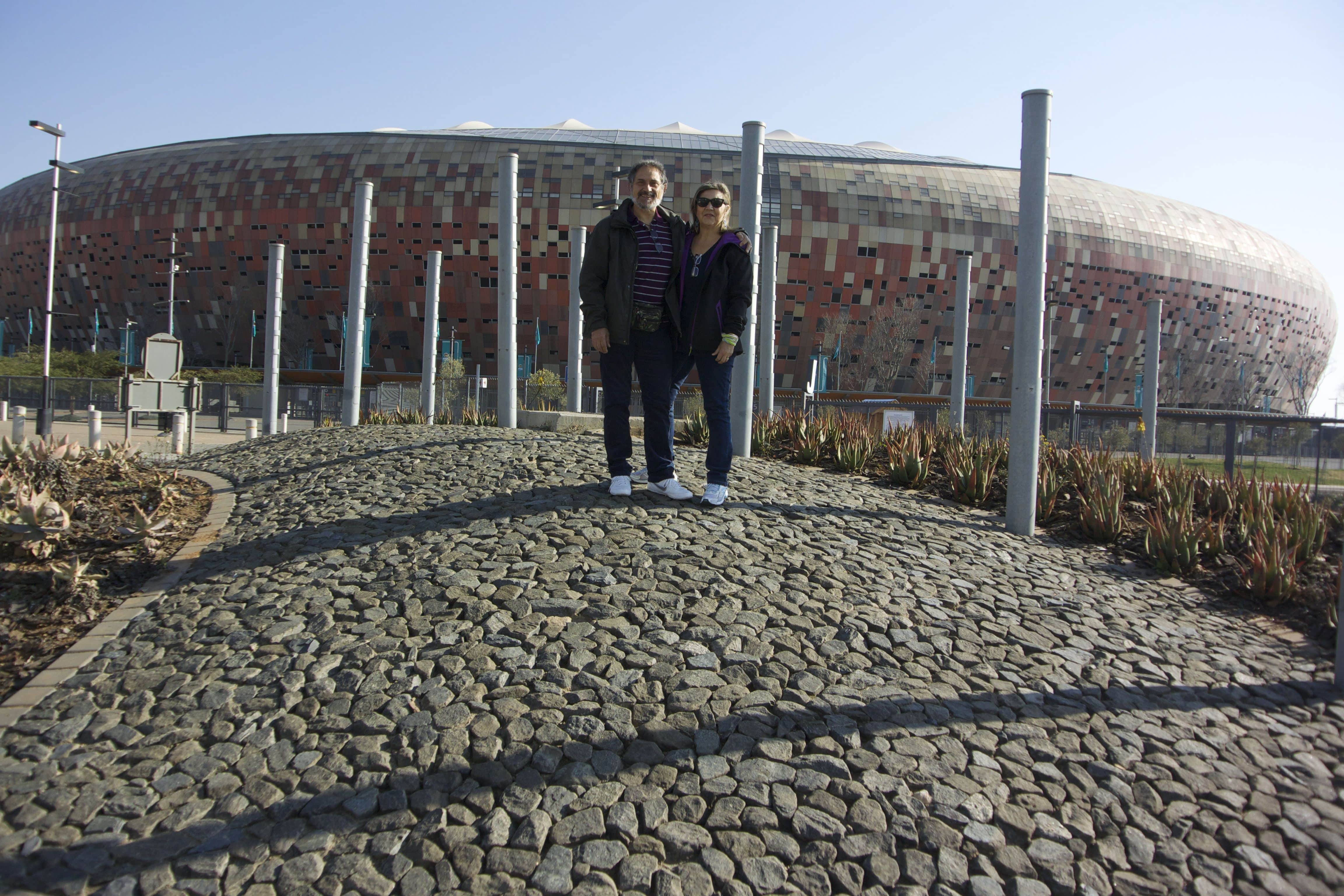
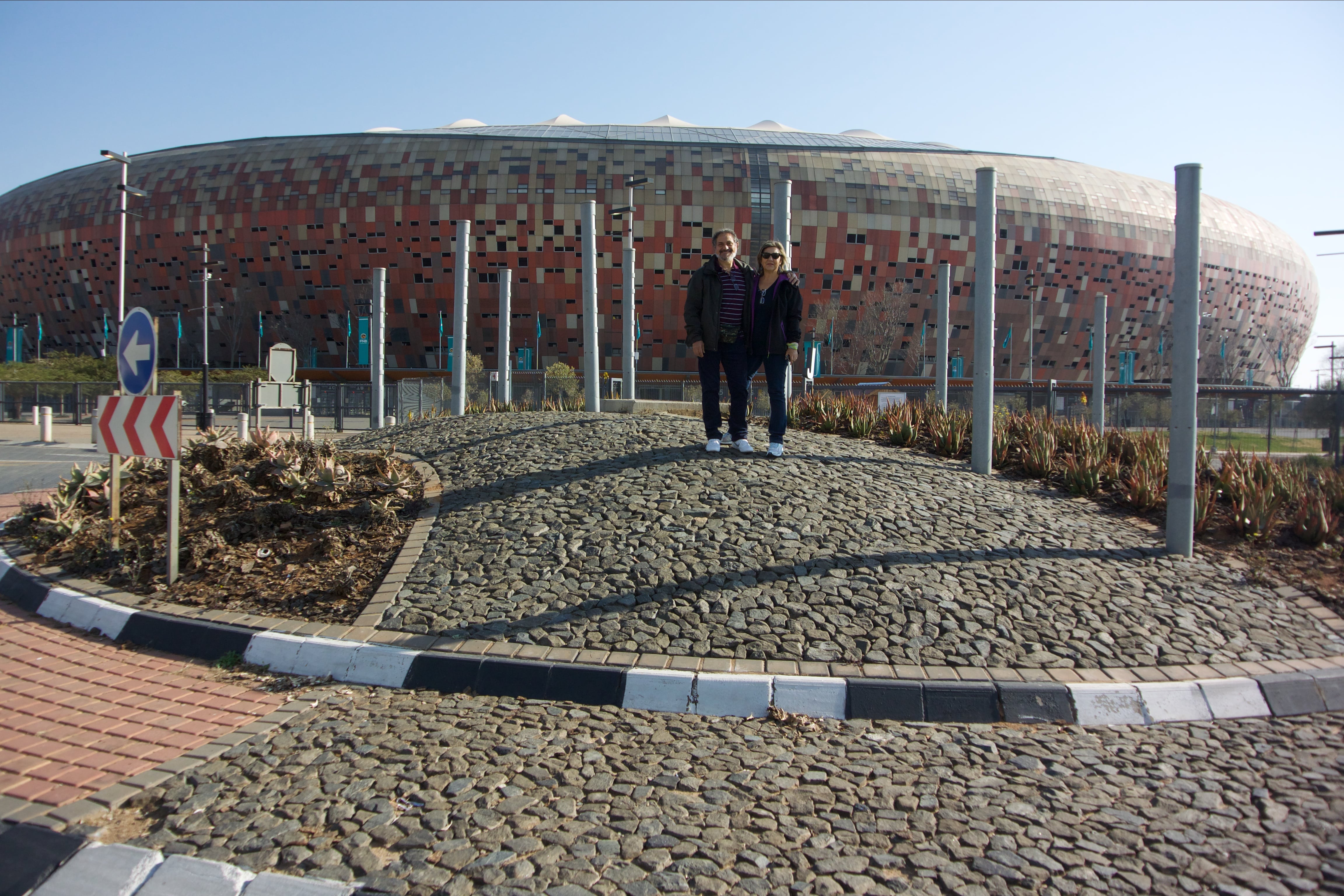
We stop to look at the Soccer City, the headquarters of the World Cup in 2010, which has the shape of a pumpkin African, now owned by China. It rises and dominate the abandoned railroad tracks that served the mines on the outskirts of Soweto.
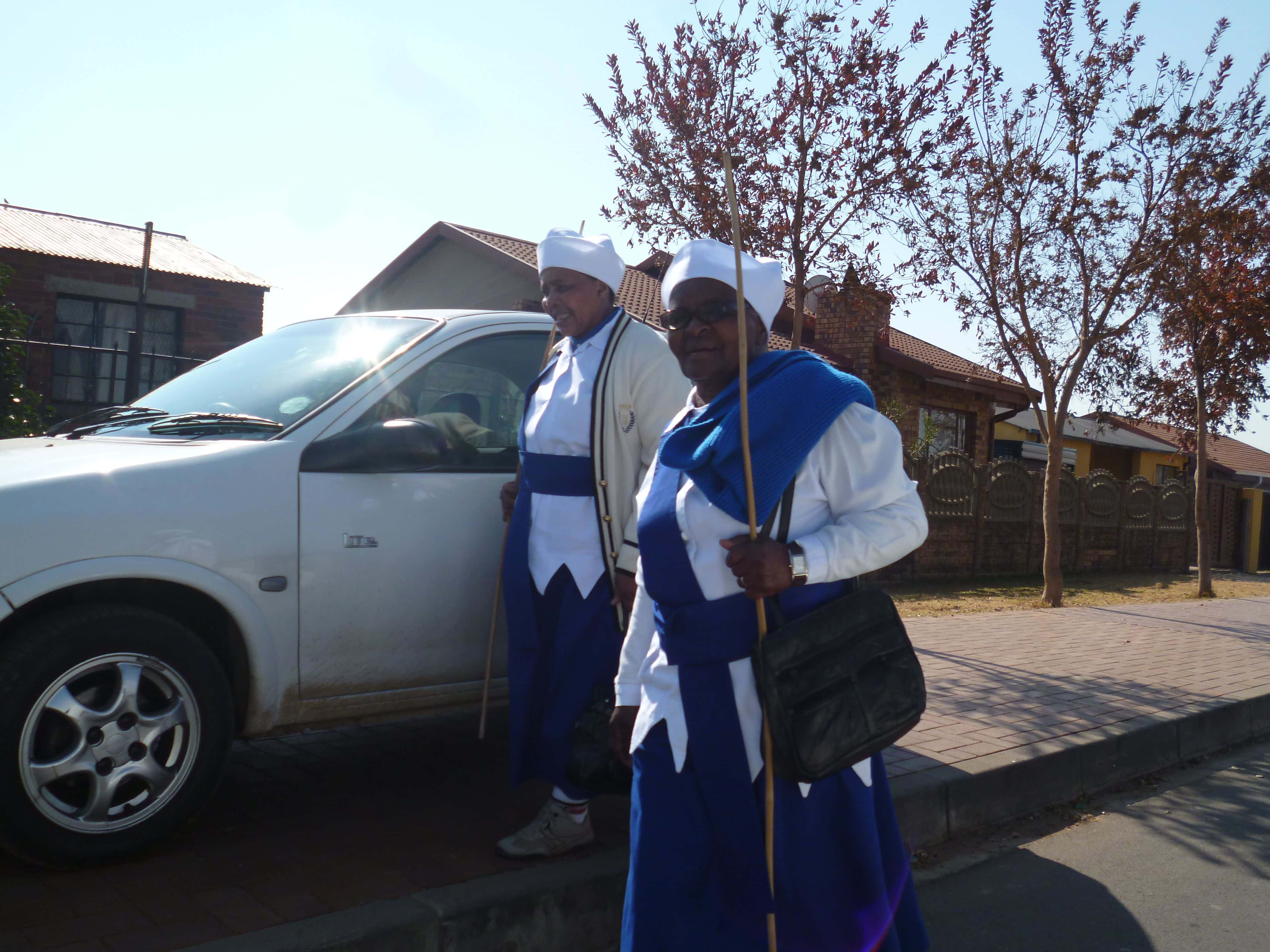
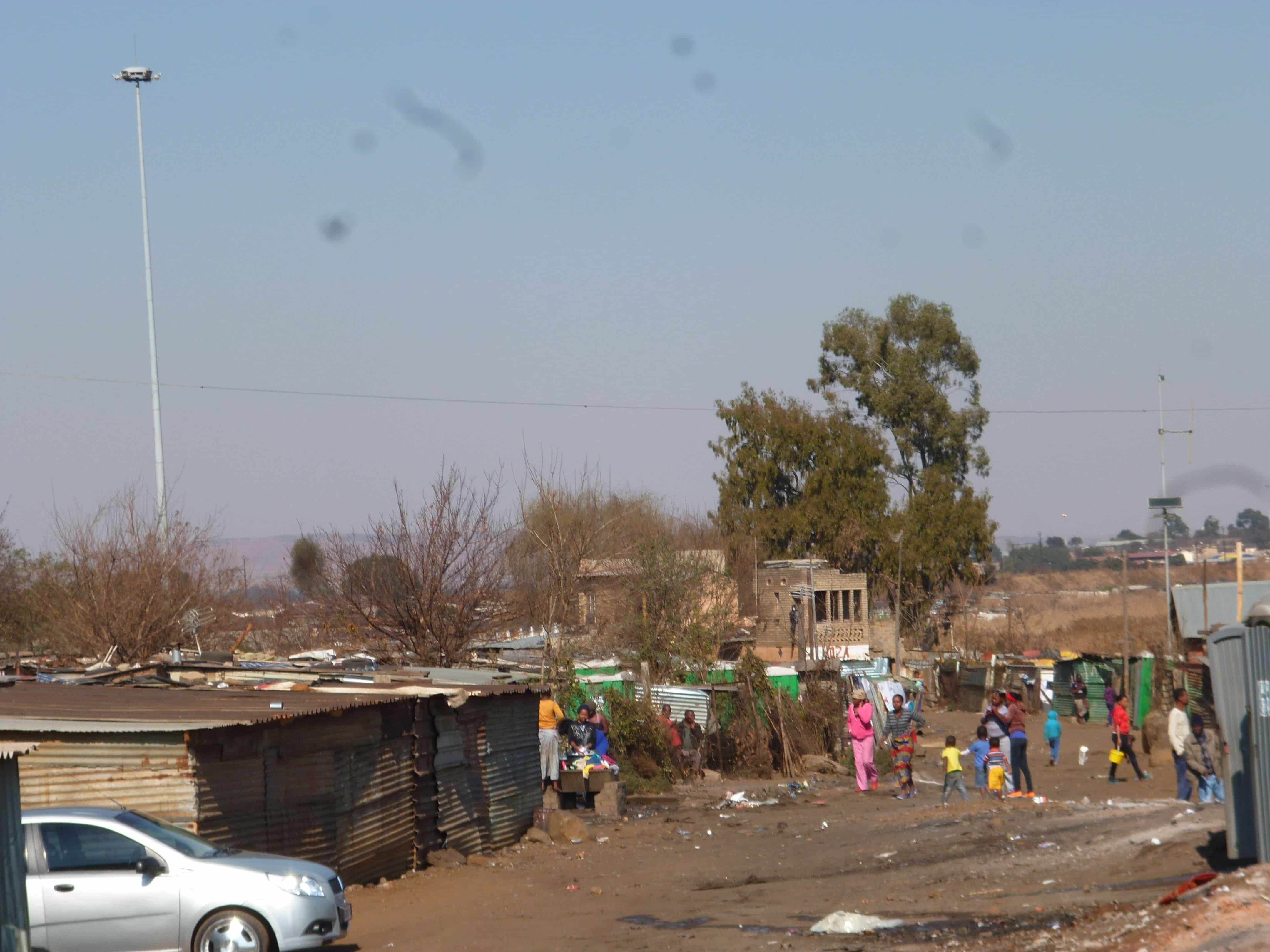
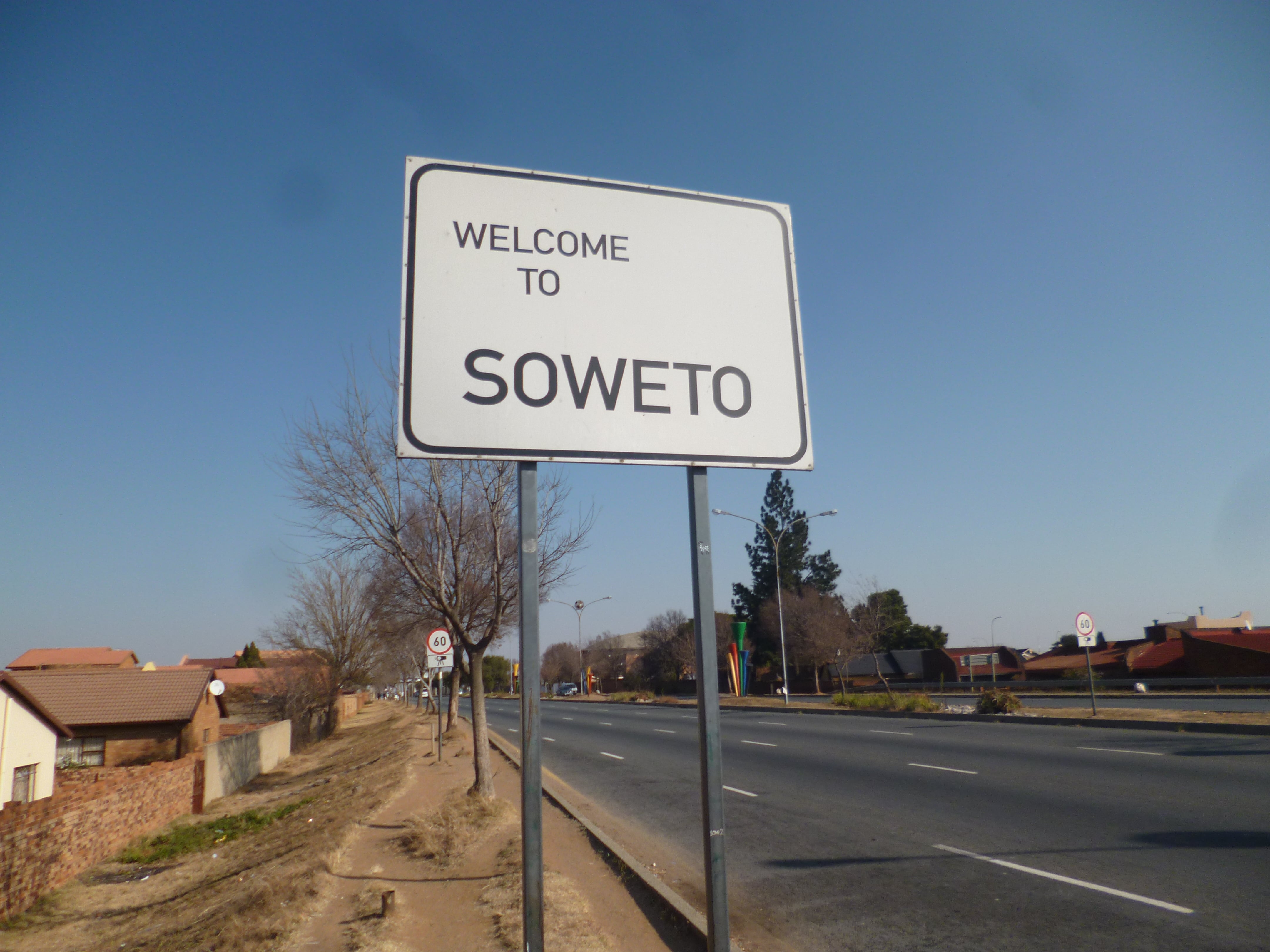
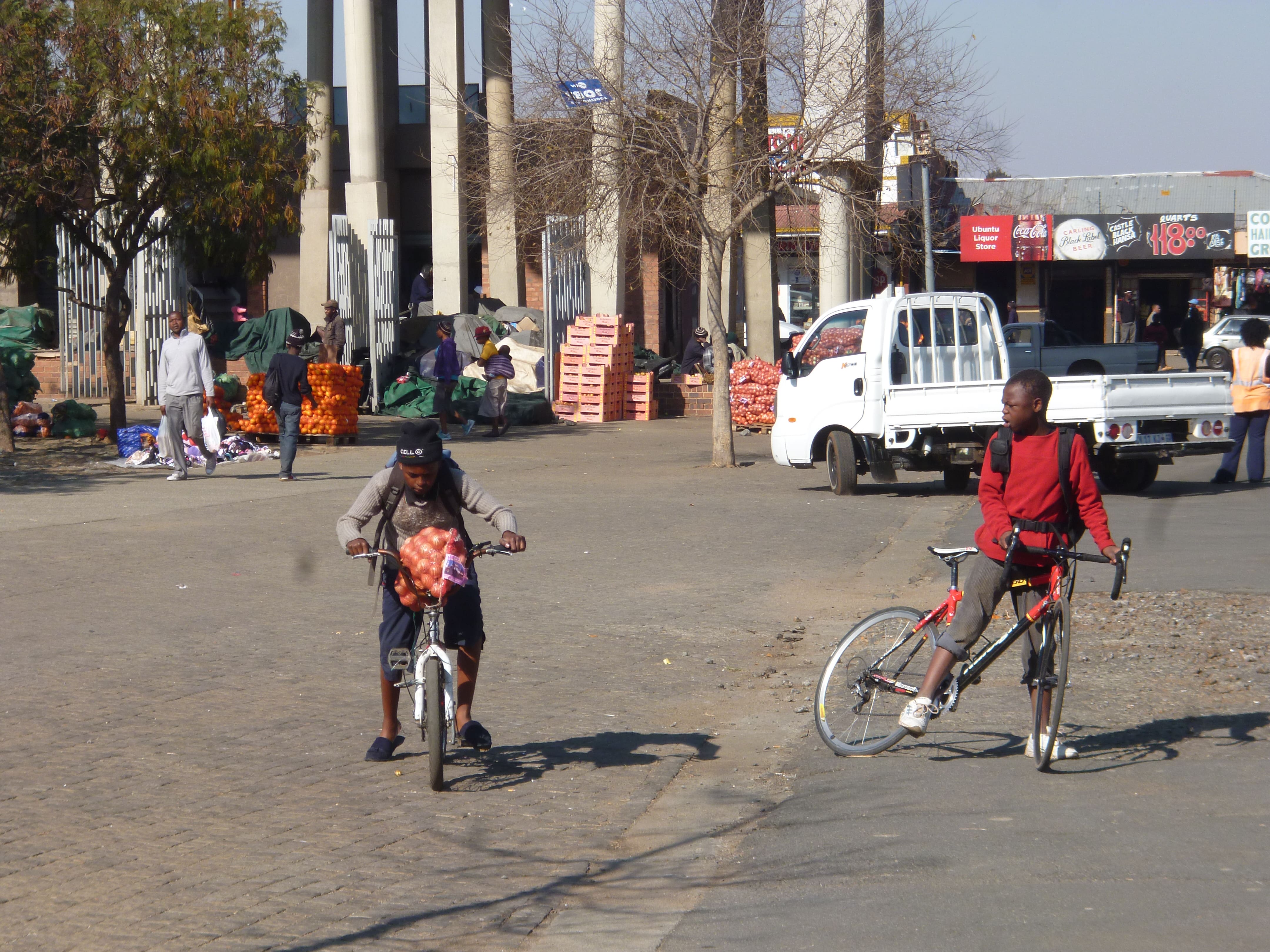
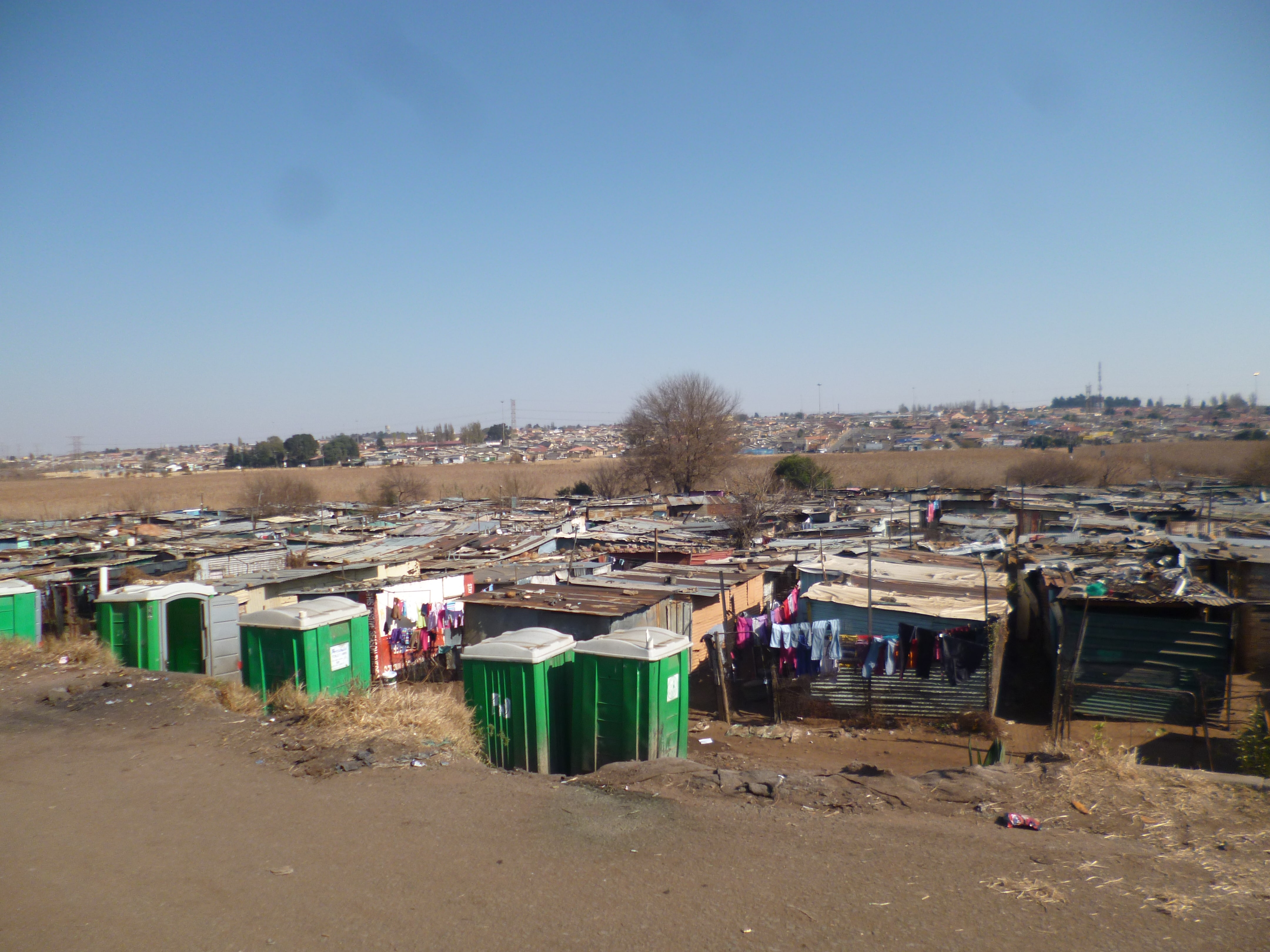
We arrive in Soweto and our guide shows us a residential neighborhood, with magnificent villas, built with bricks of different colors. We go close to see, from the outside, the house of Mandela’s second wife Winnie. Over the road and at some distance the image changes: line of studios apartment, each of which can live in more people with a shared bathroom (some are occupied by men, others by women).
We begin to see social differences !!!! The guide tells us that since he became President Nelson Mandela, things are slowly changing, because it has provided an opportunity for these men to be reunited with family, buying small houses built for them.
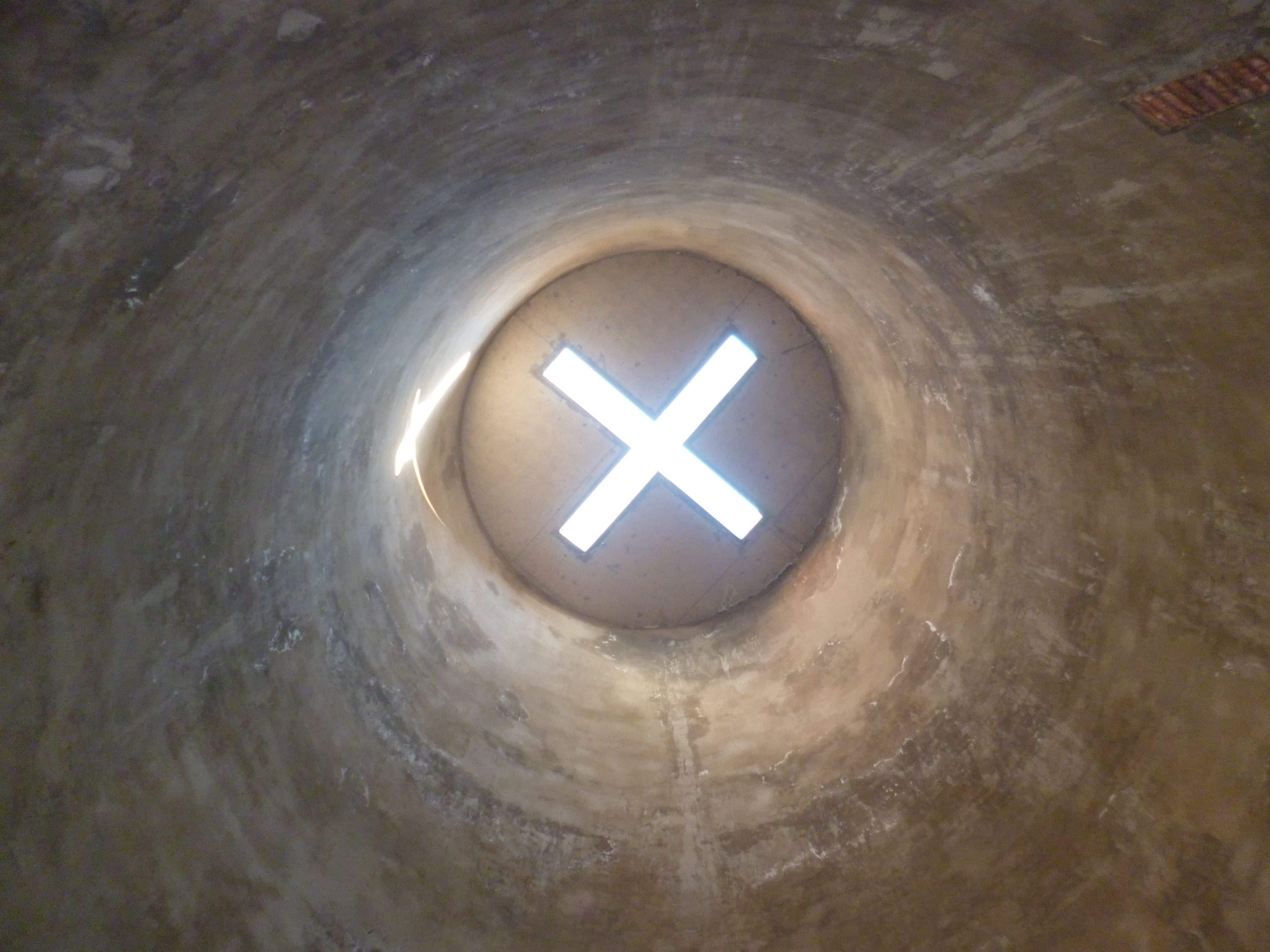
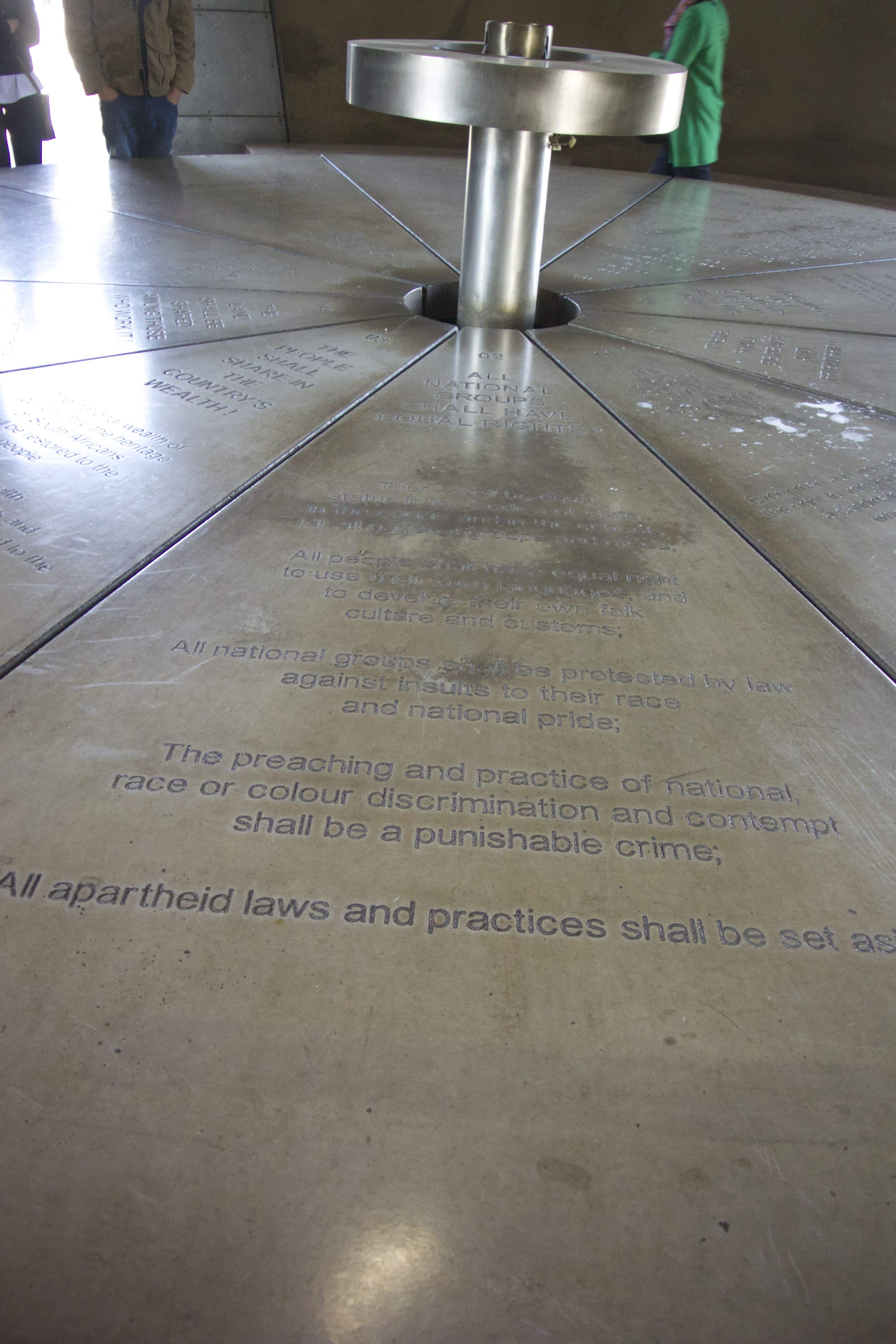
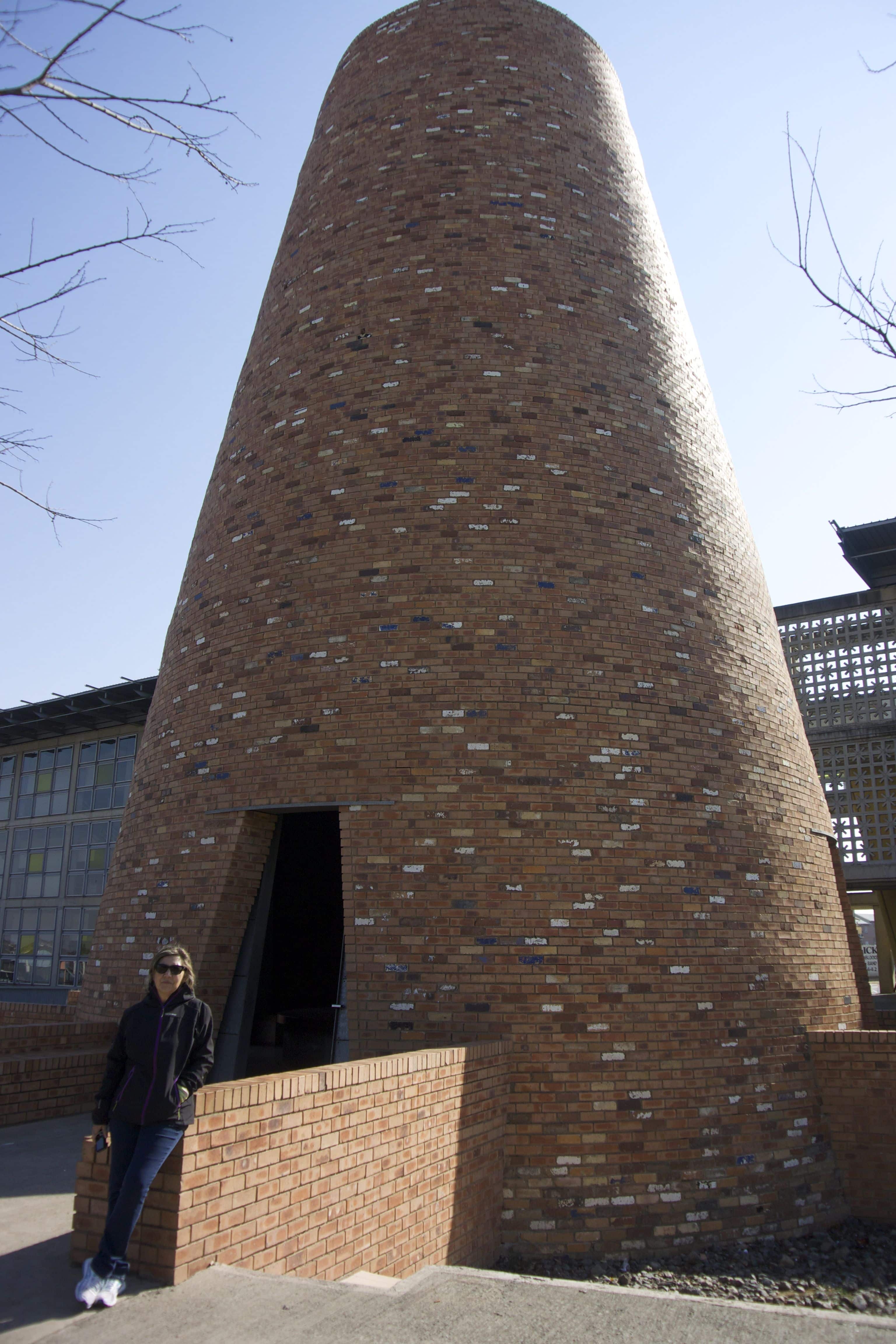
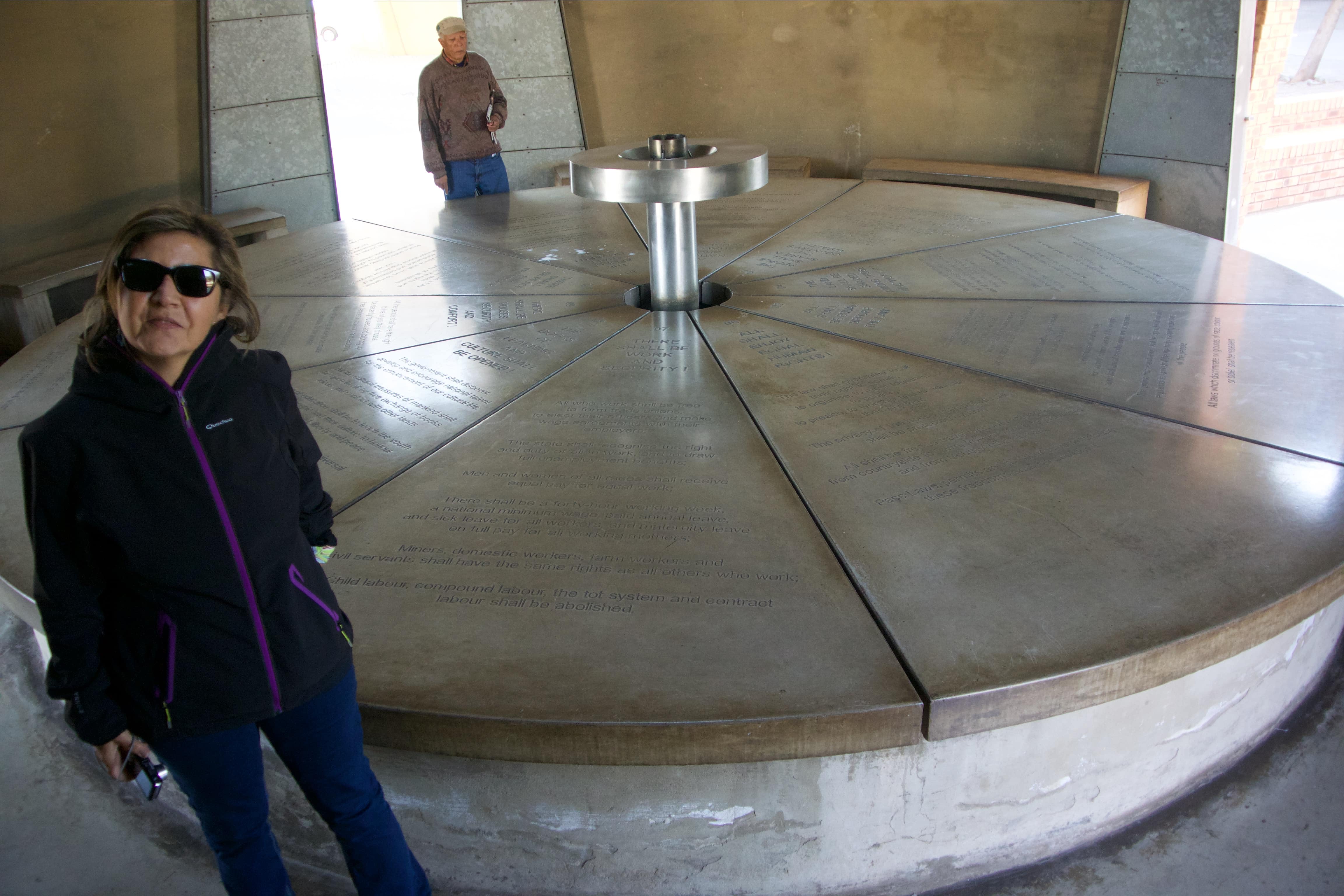
Here is Kliptown, where in 1955 was drafted the Freedom Charter. We are in the Walter Sisulu Square (dedicated to), where stands the Freedom Charter Monument, built of brick in the shape of a cone.
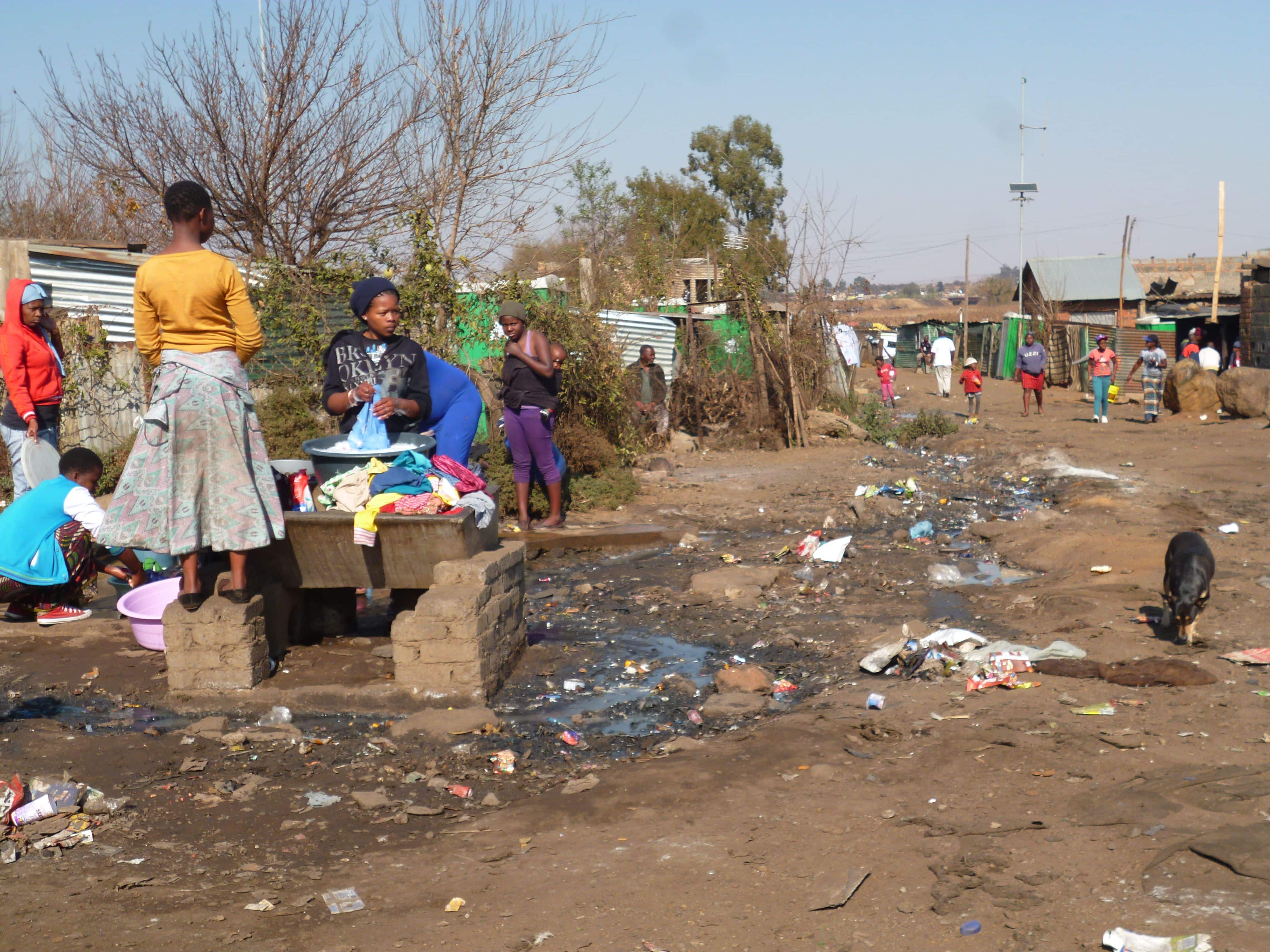
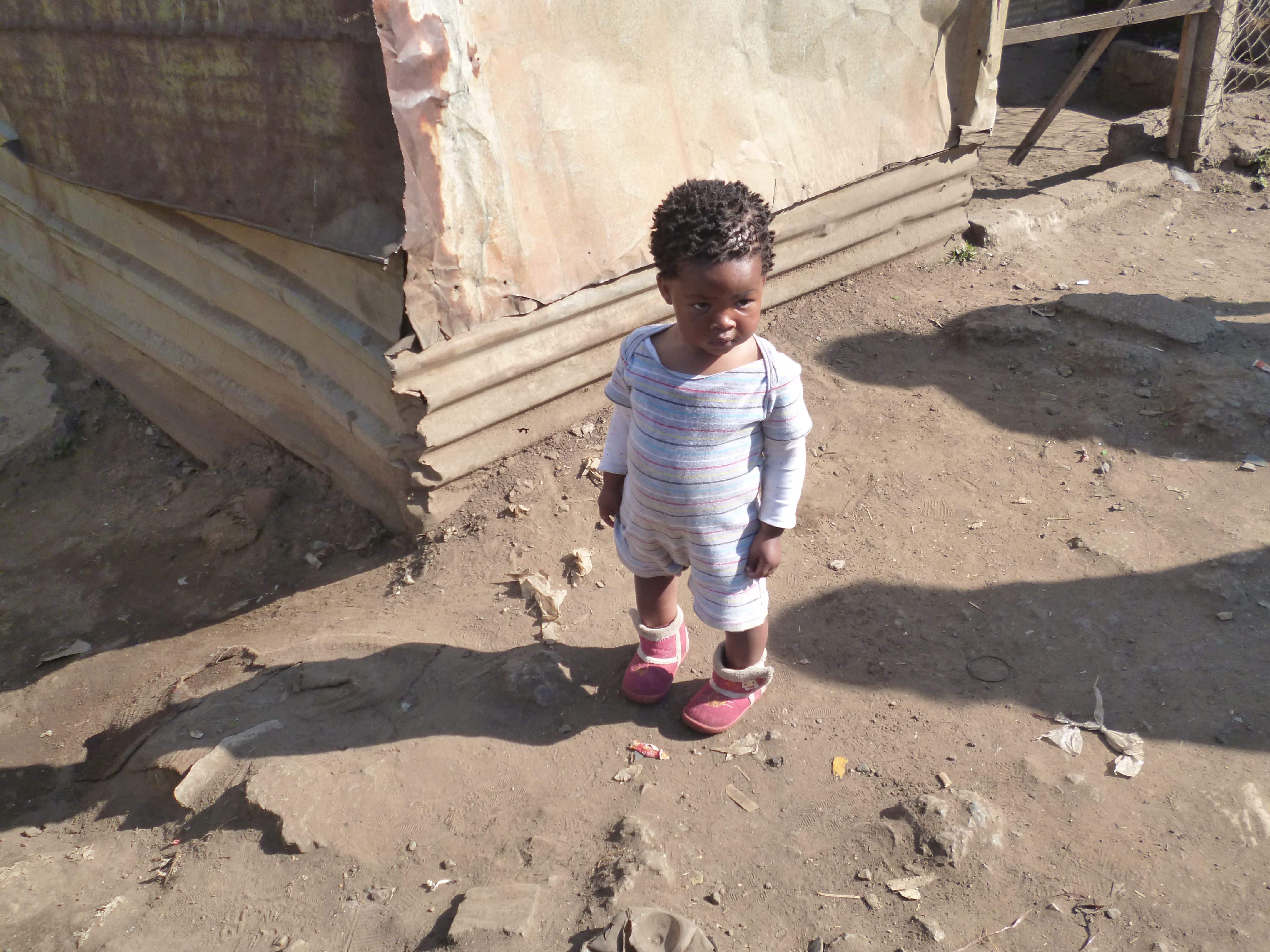
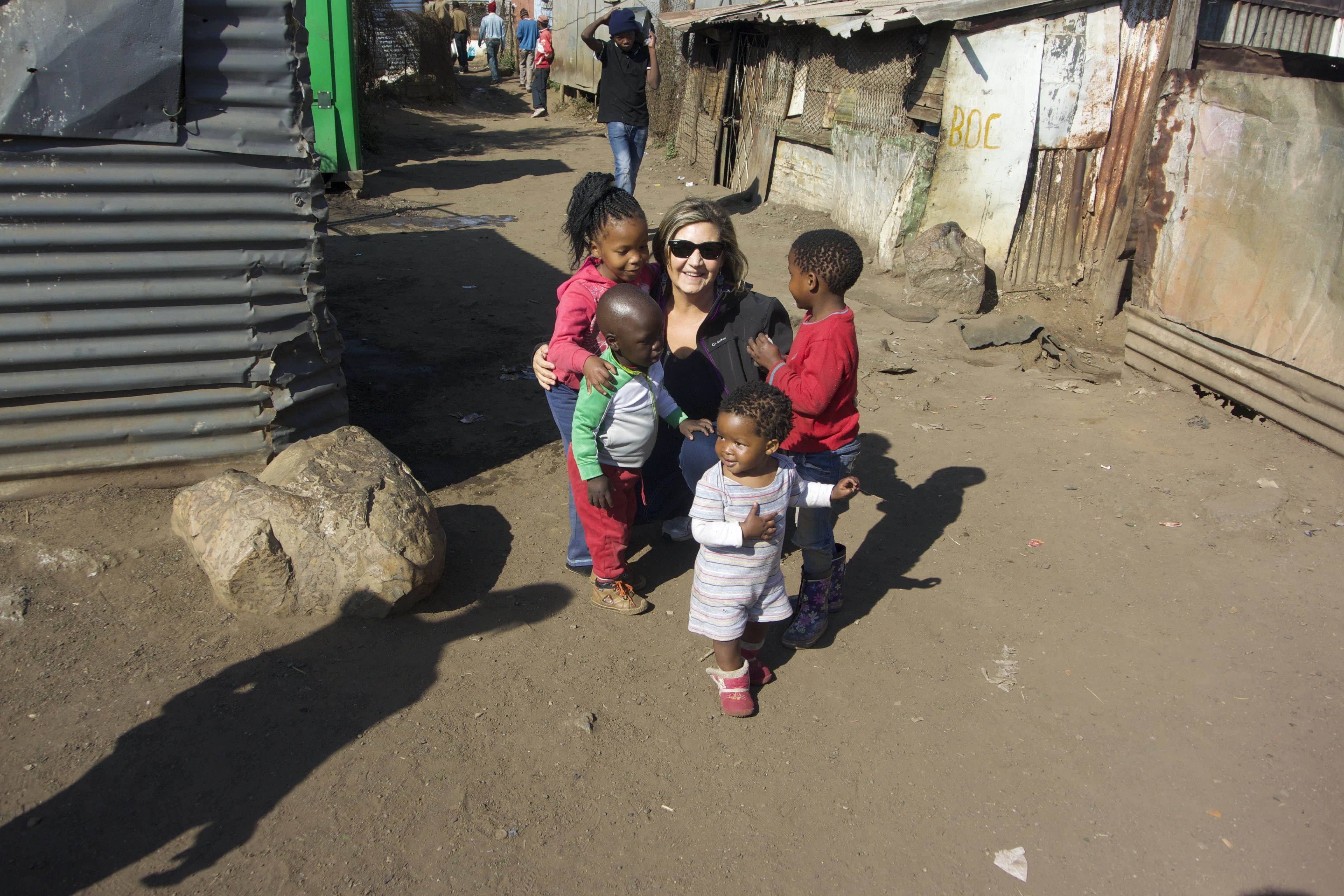
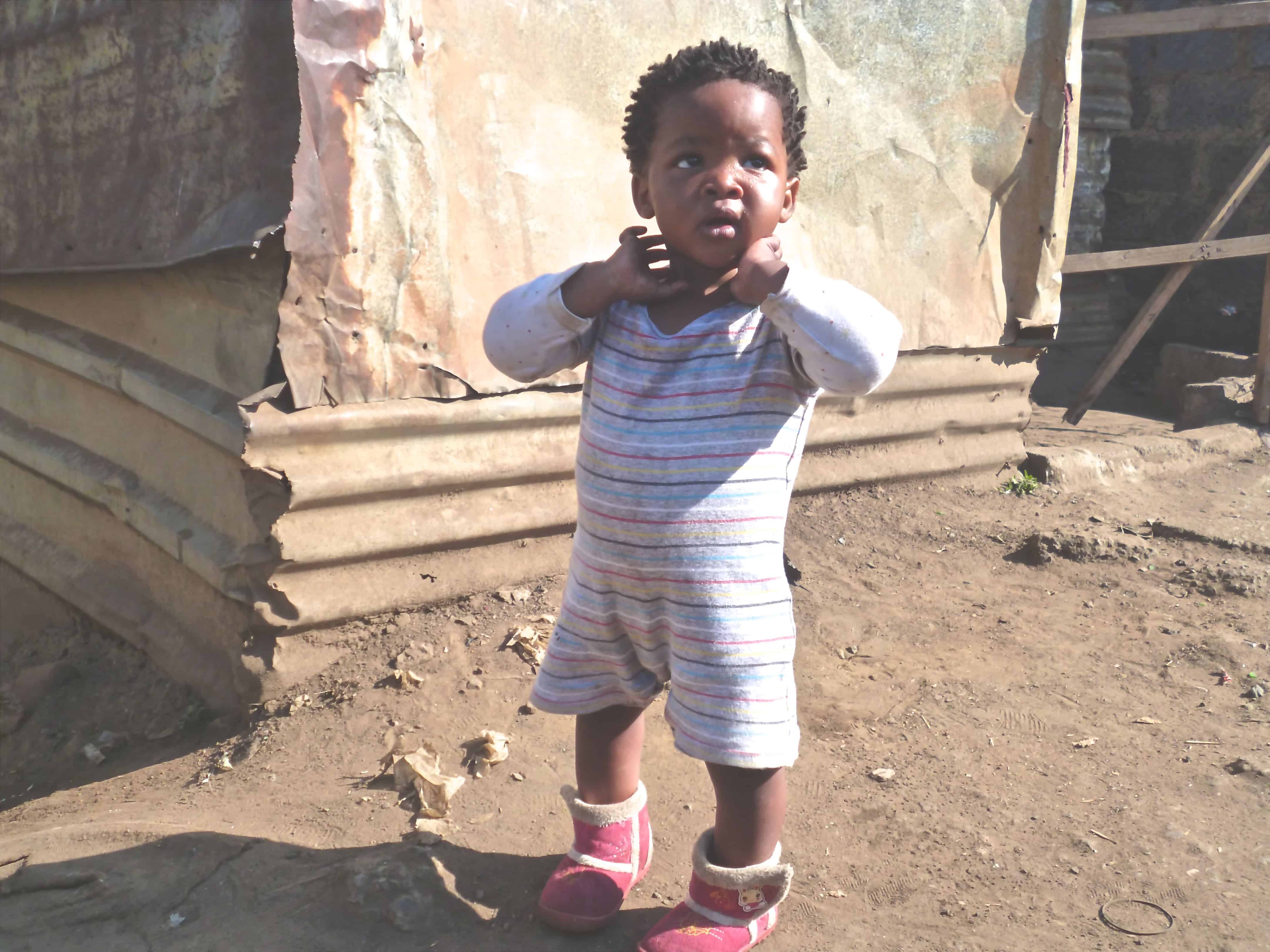
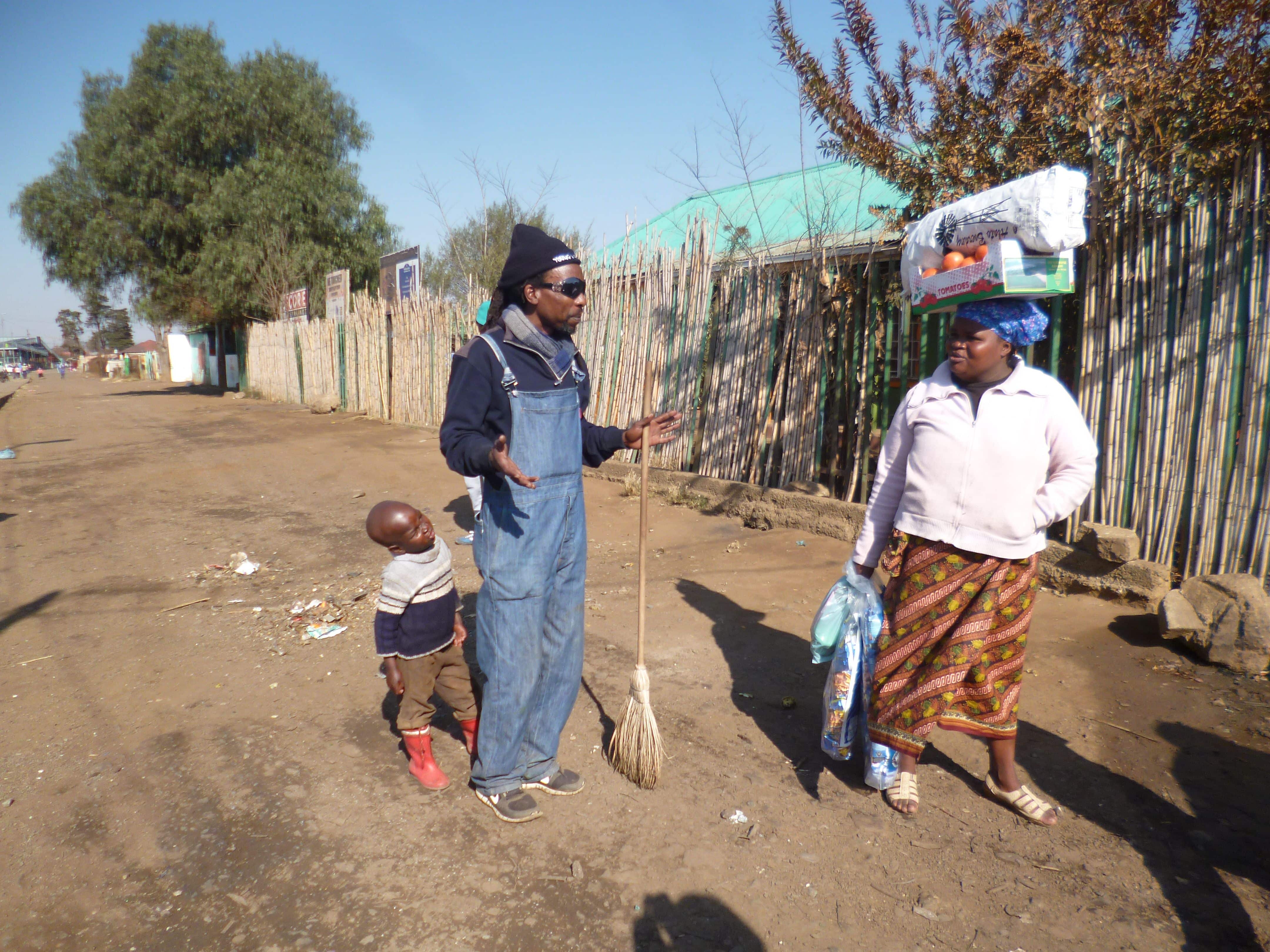
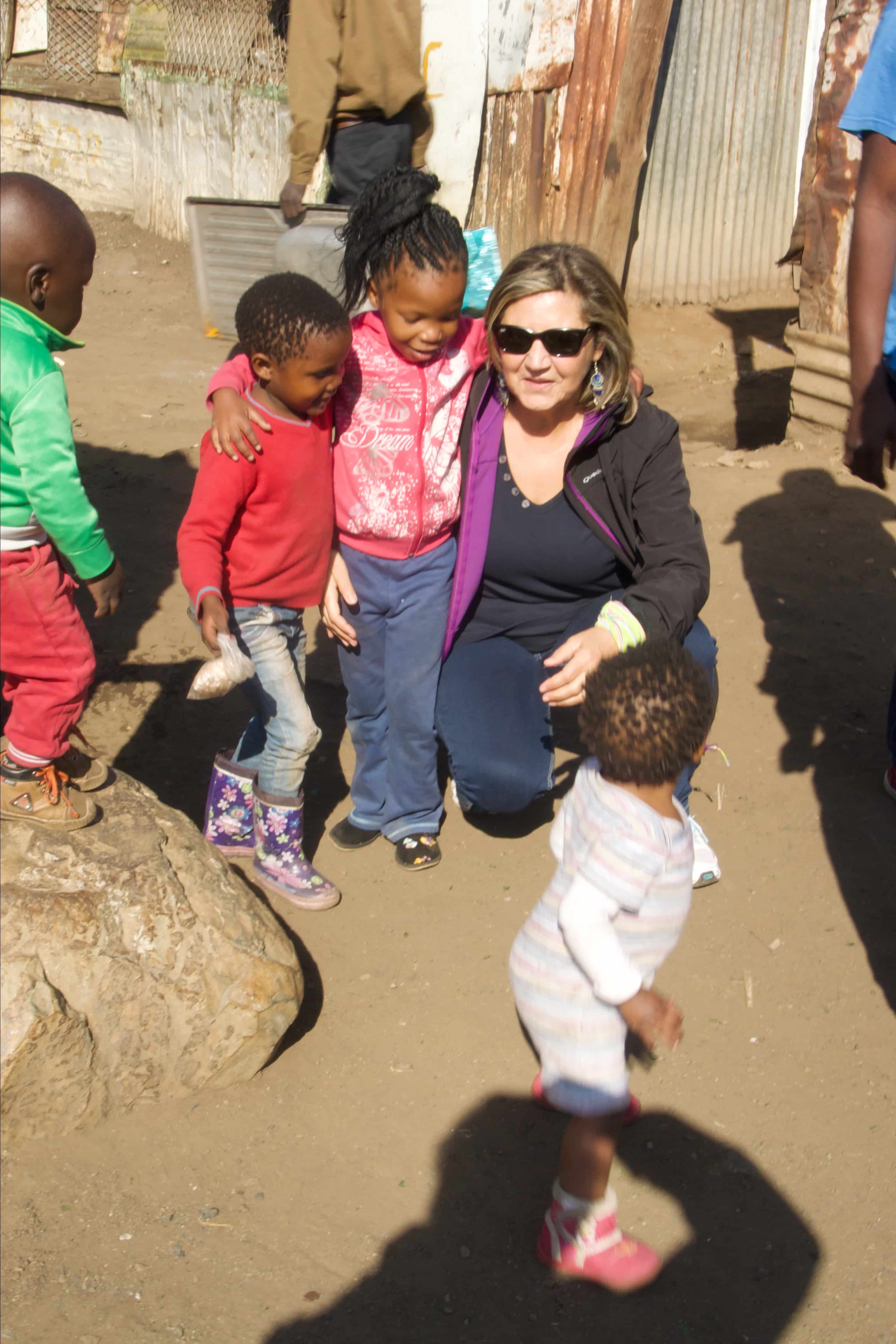
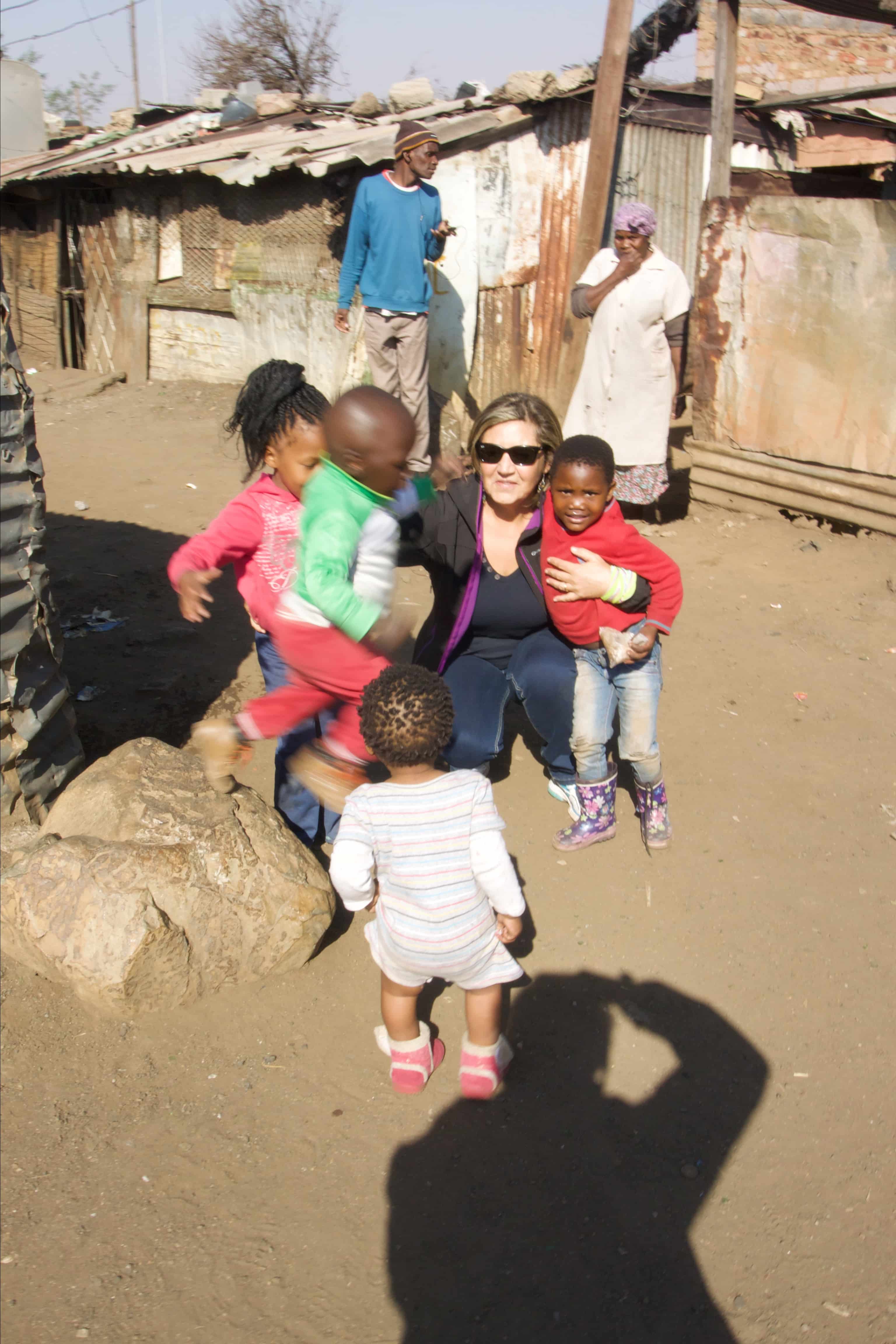
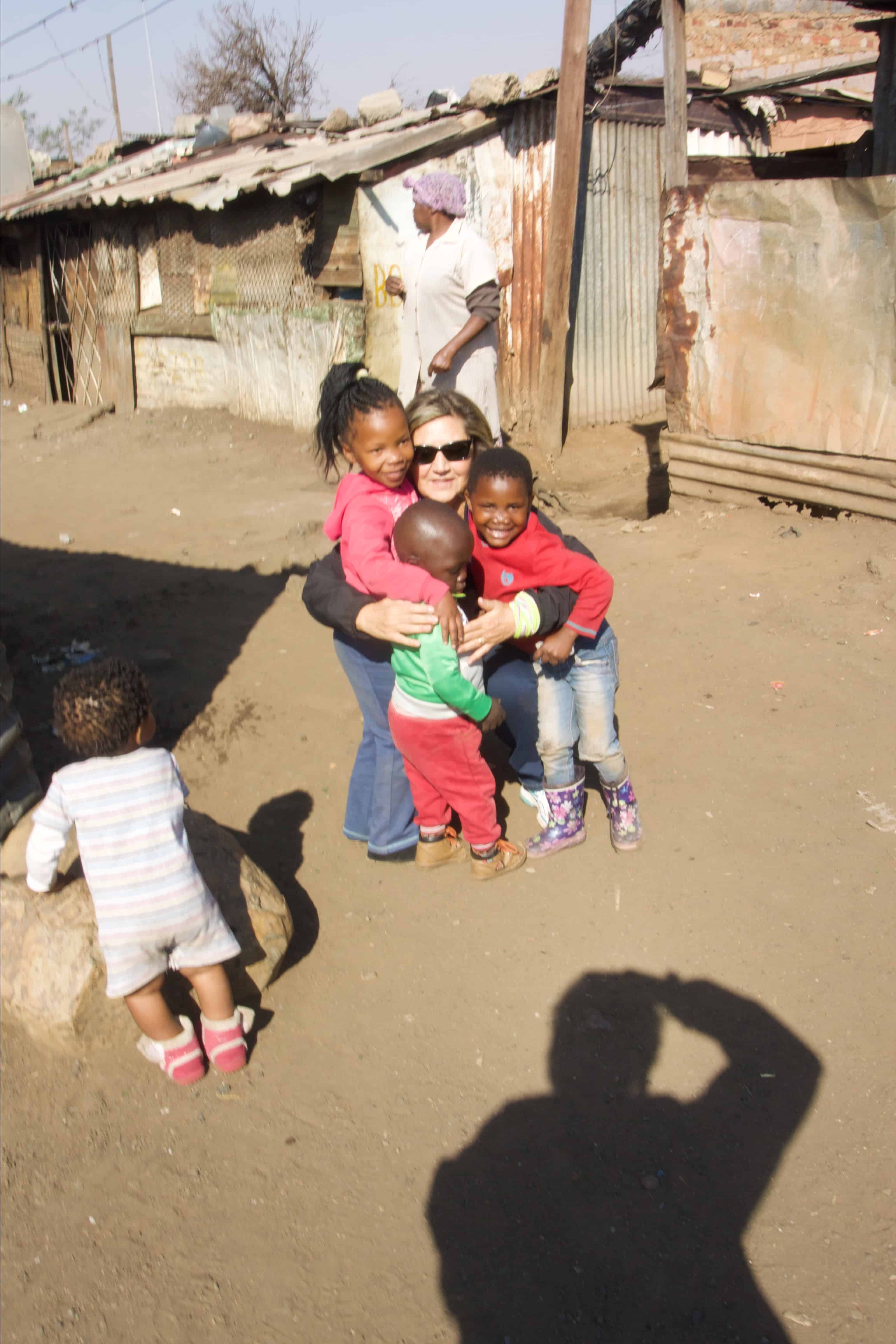
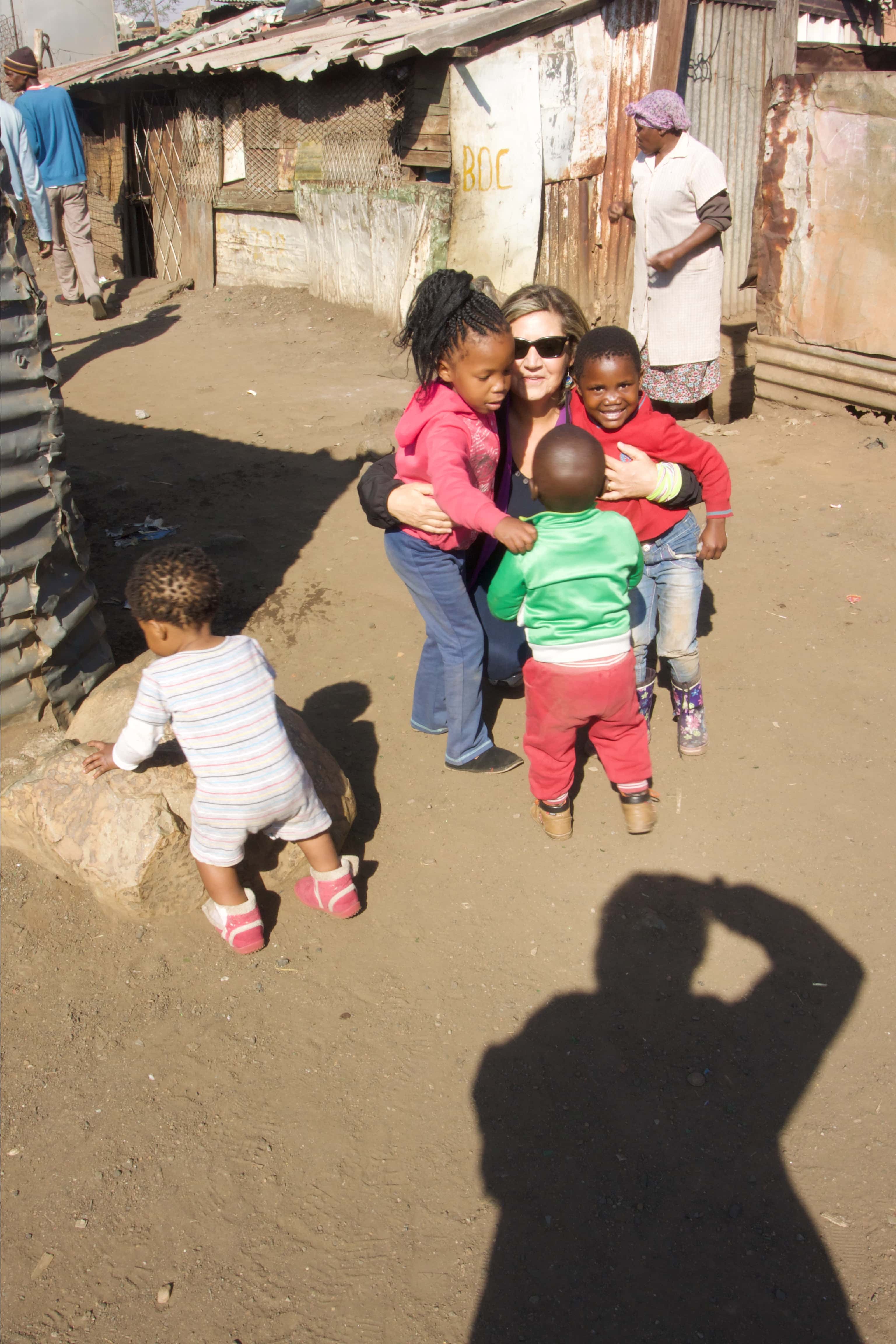
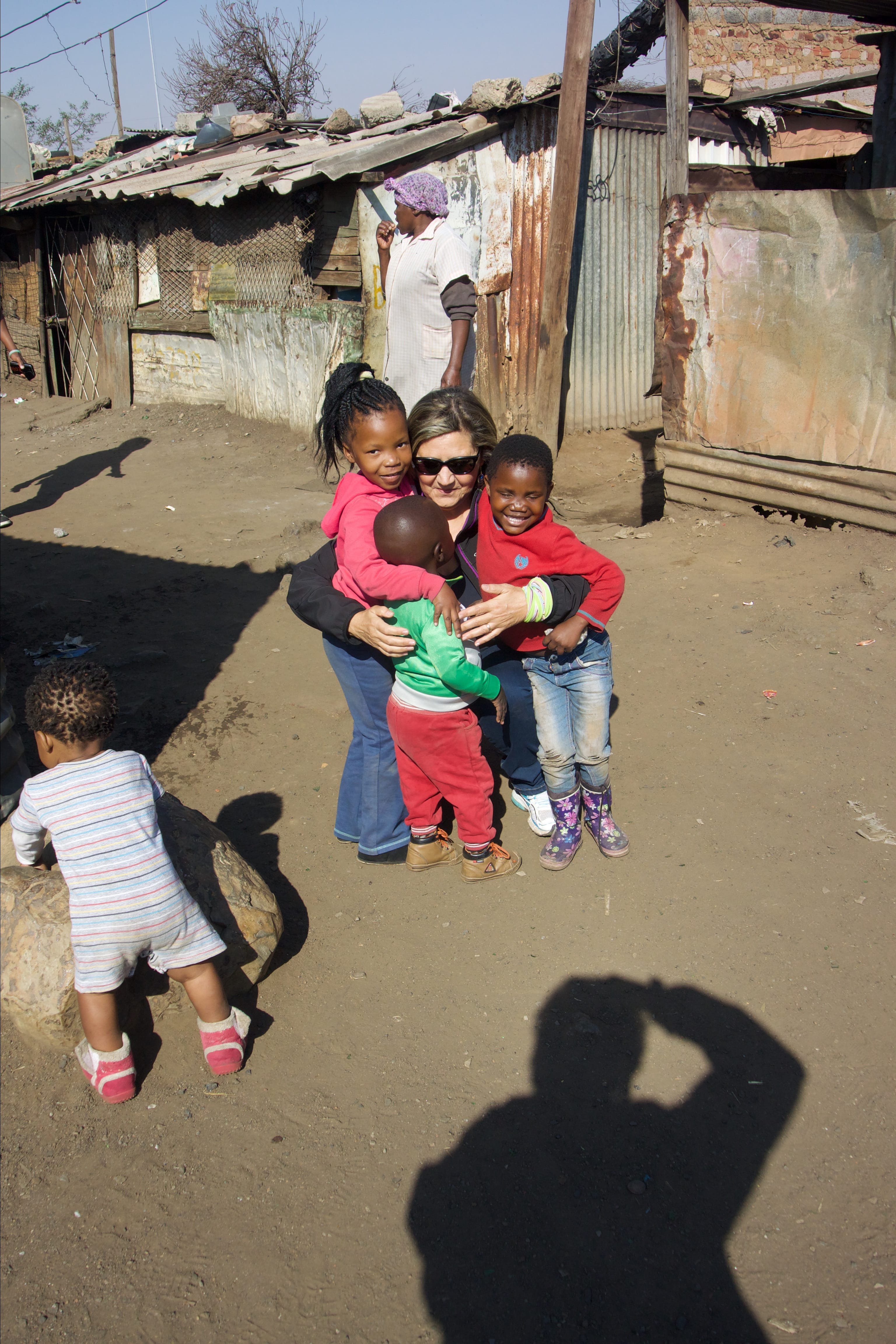
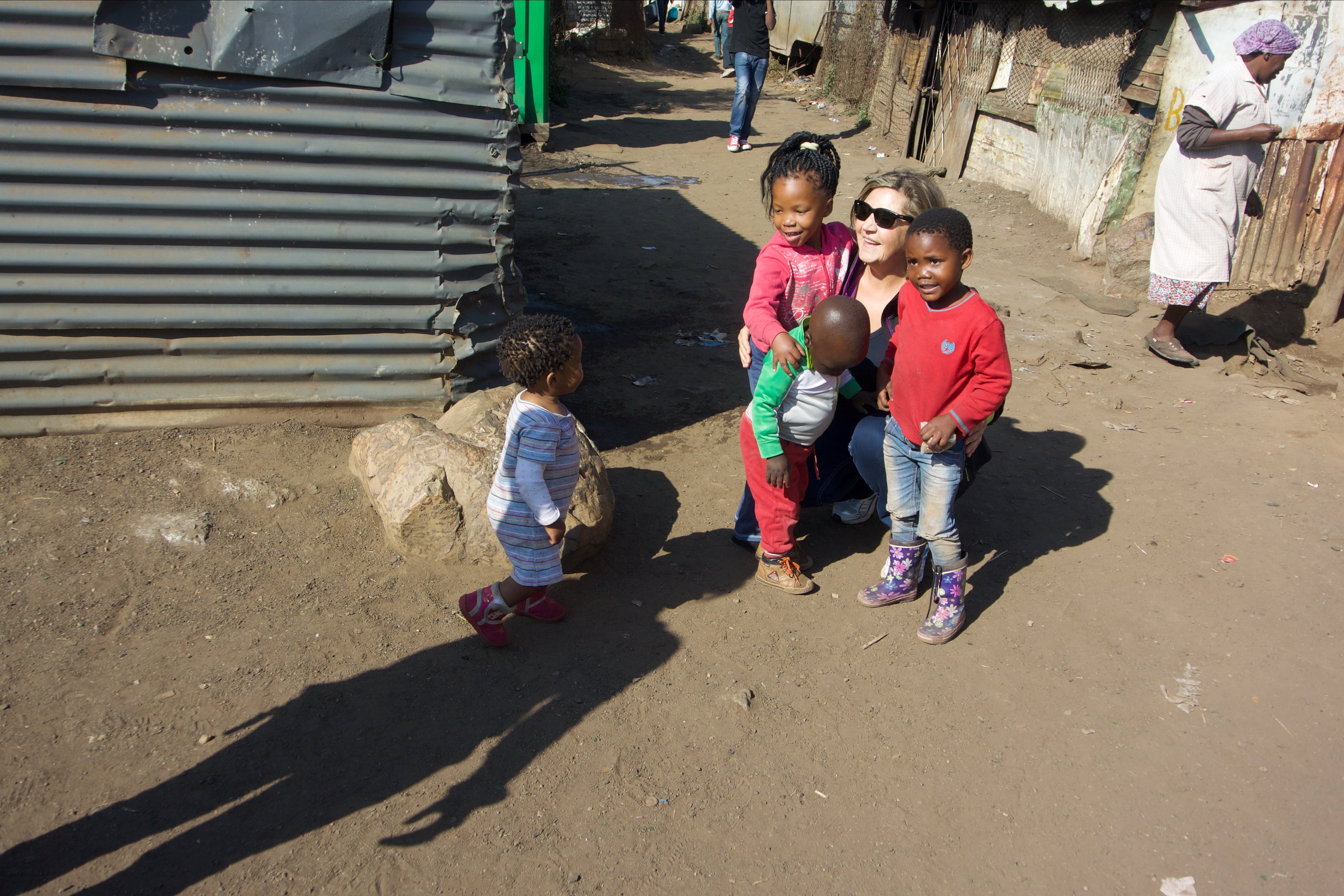
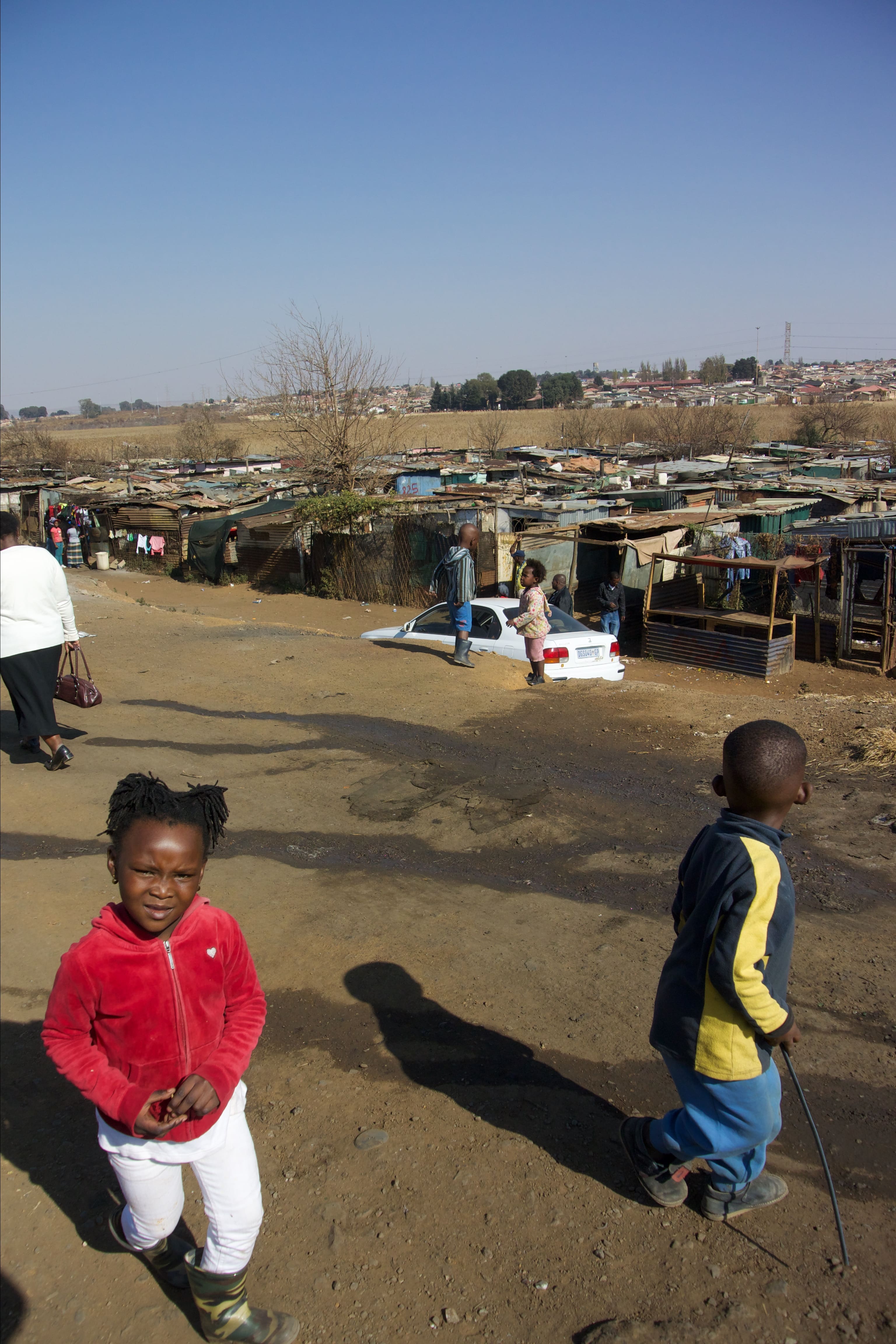
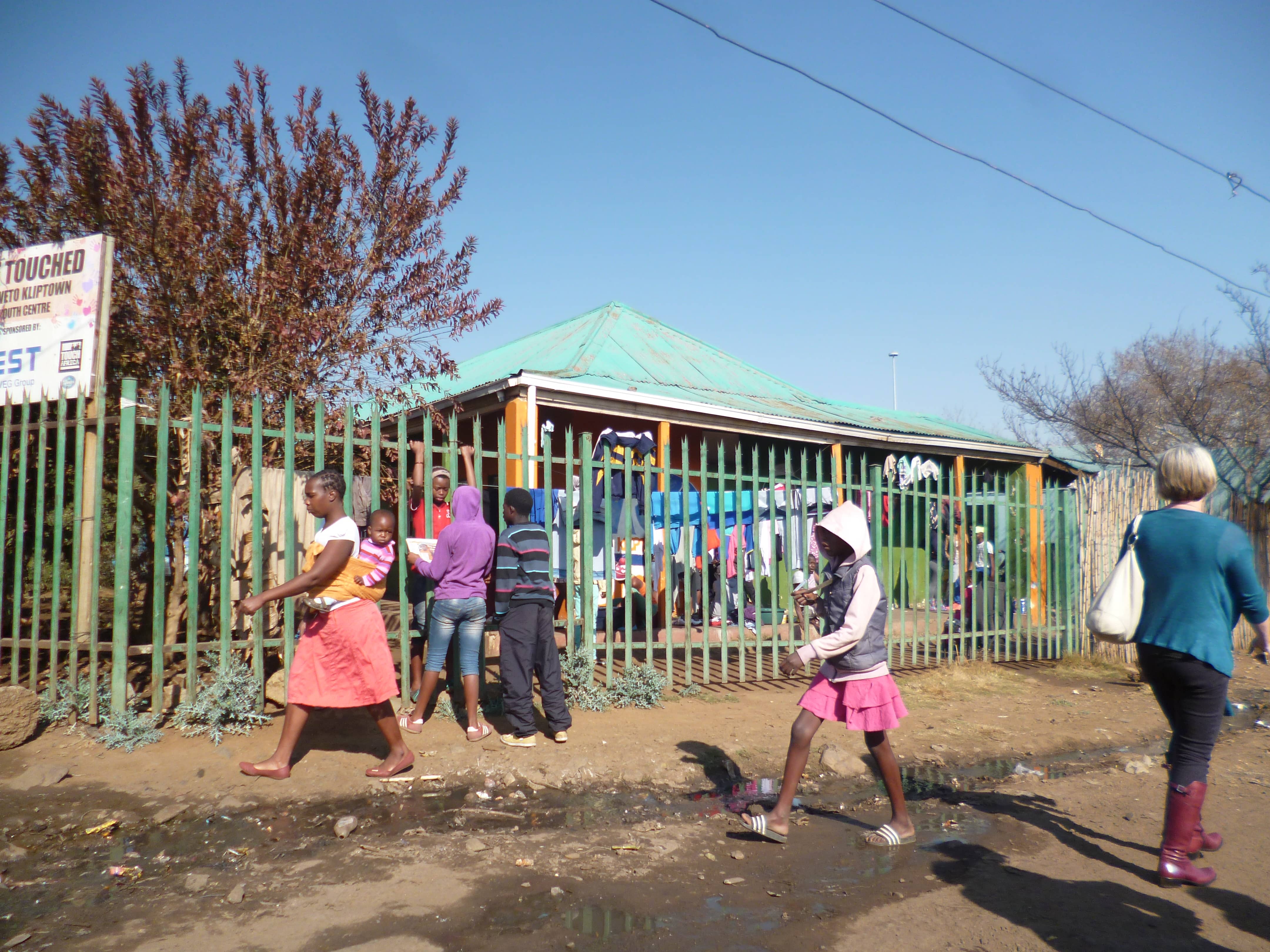
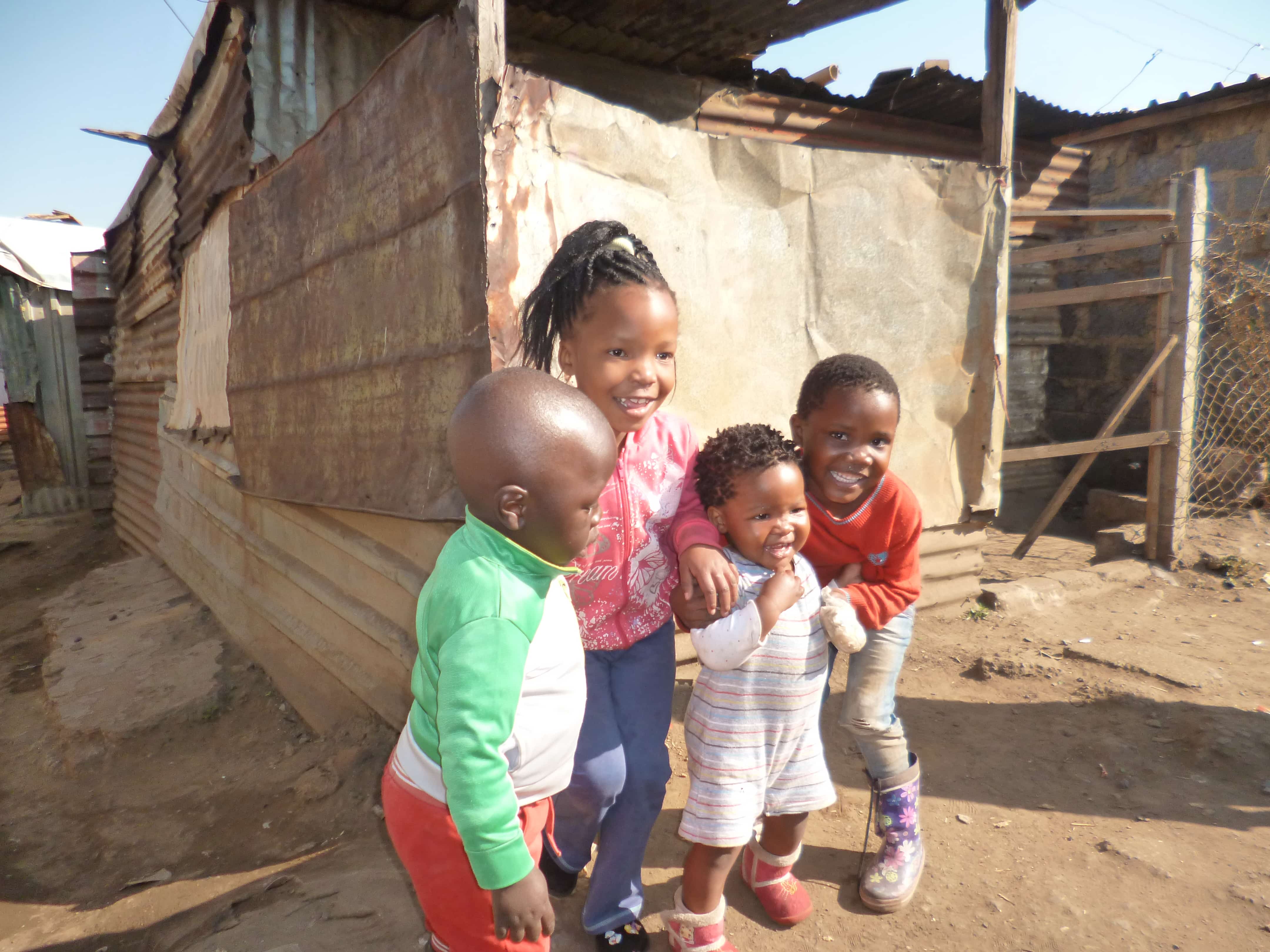
Our guide tells that he take us for a walk. We go into a slum, welcomed by people of all colors, smiling and friendly, despite the apparent poverty. The children then are beautiful and joyful, meets us, embraces us. We enter through the narrow streets unpaved, right and left almost all sheet metal shacks, people coming in and out. In the main square there is a fountain, and here women, do the laundry. more flush of water run trough the streets, but there is no smell !!!! Let us leave this place with sadness, melancholy, but also anger. Why so many villas only a few tens of meters?
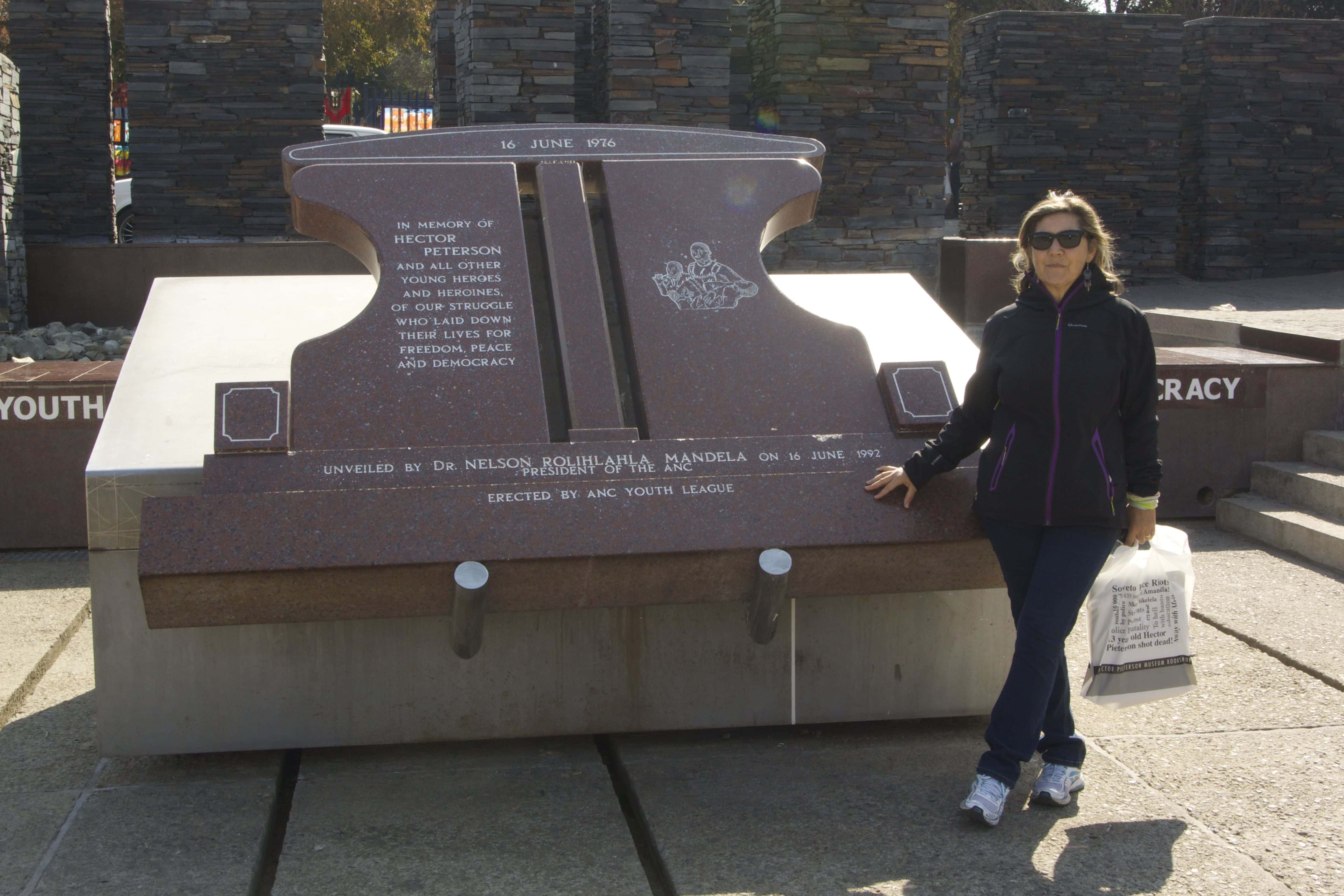
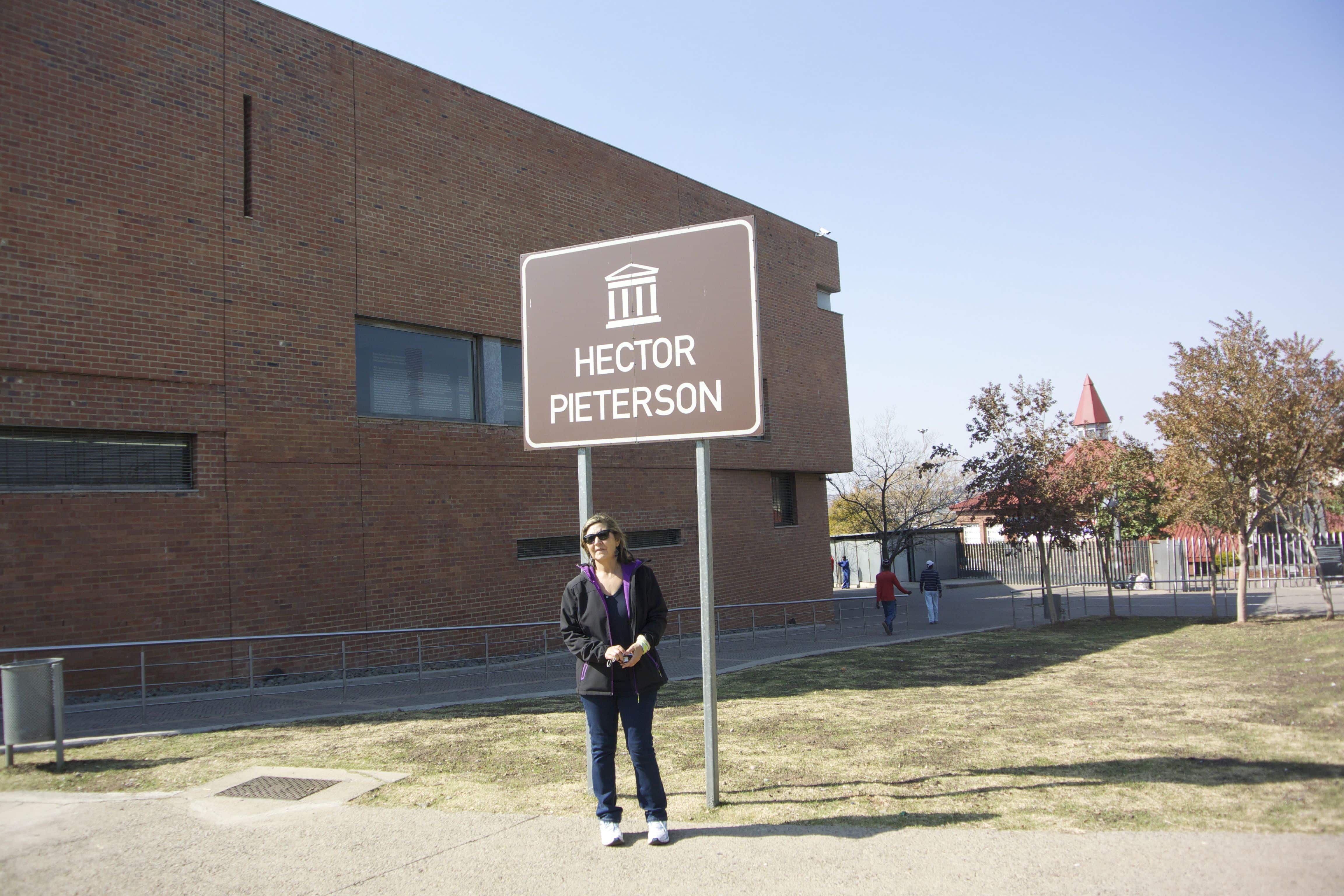
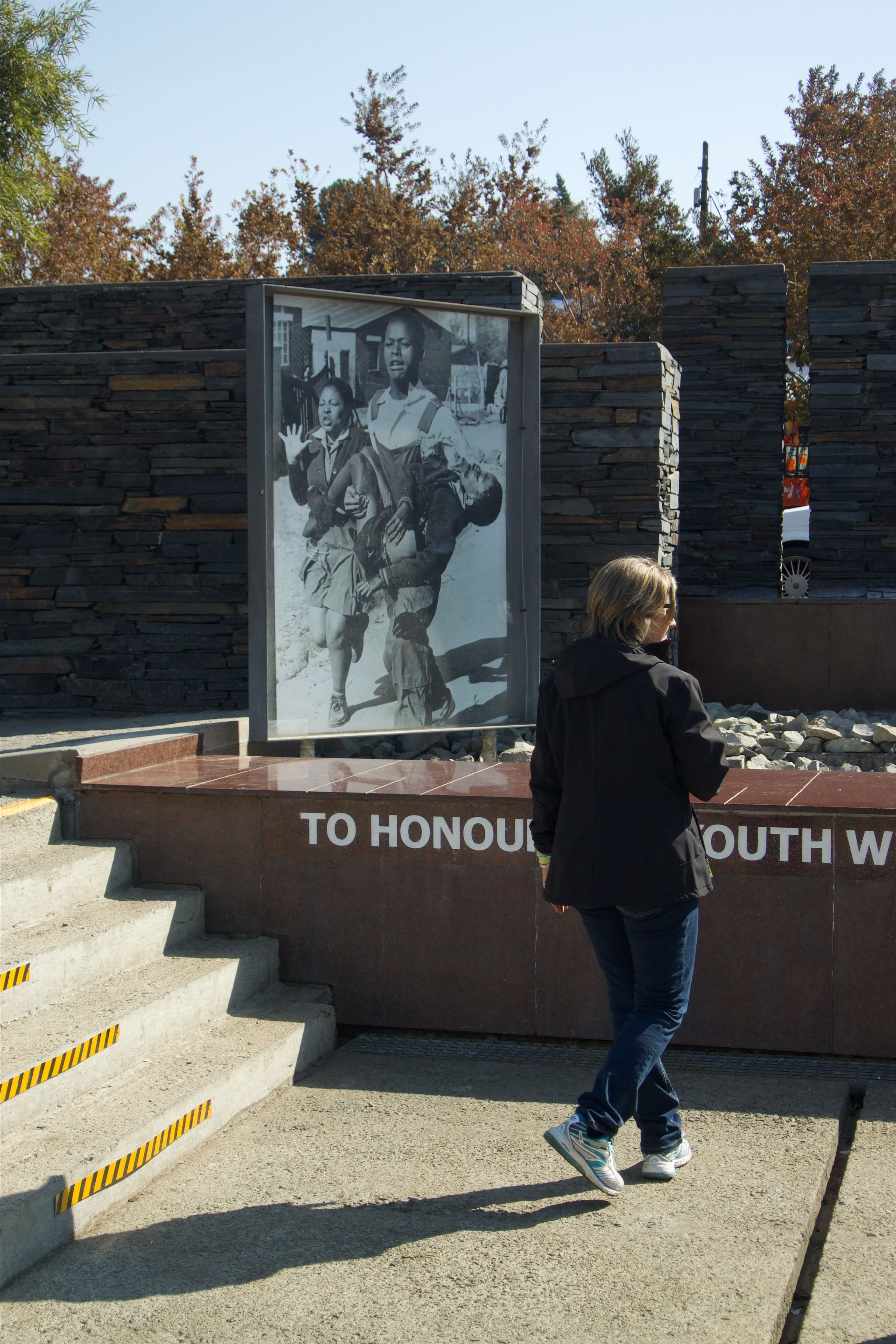
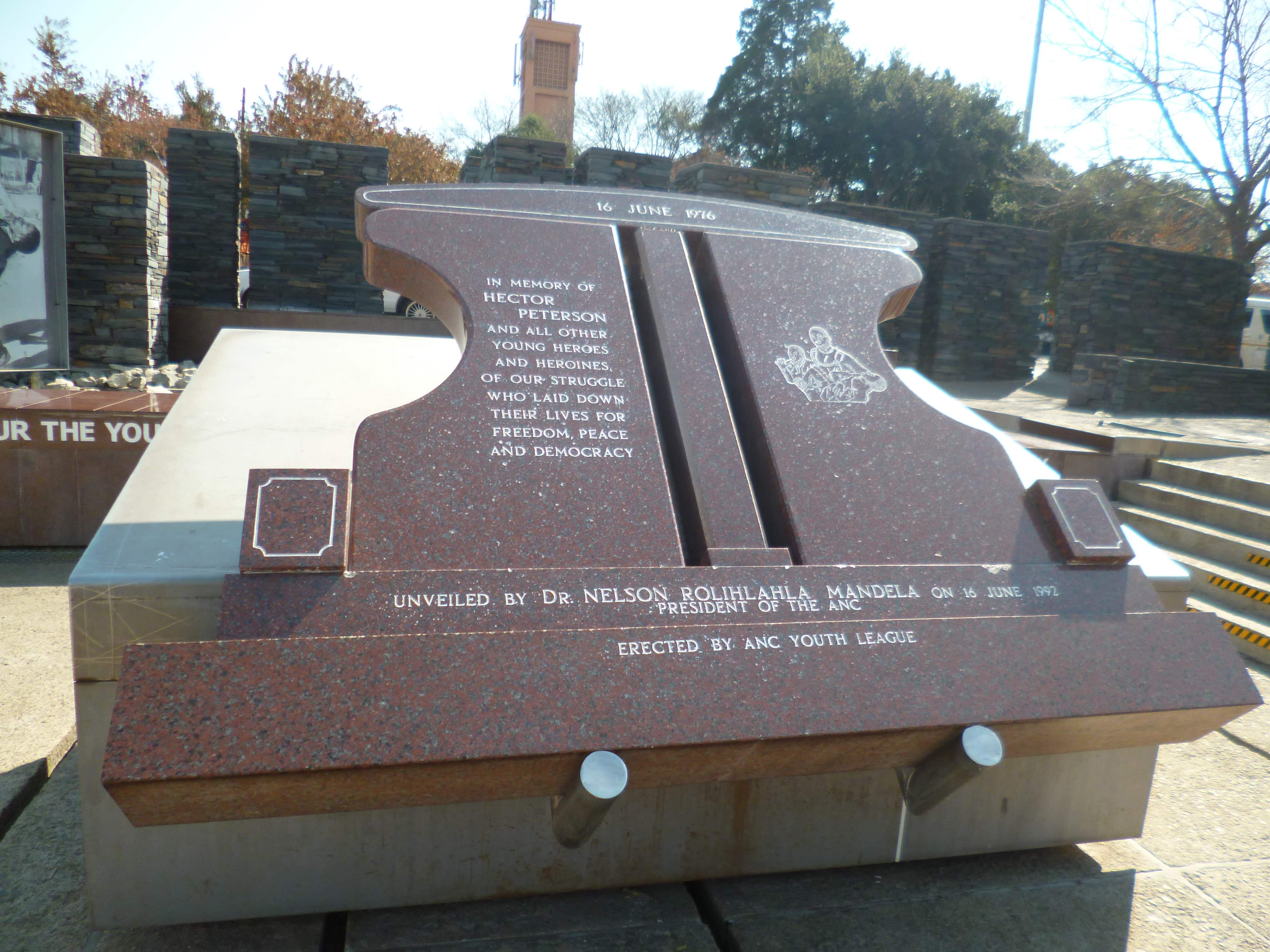
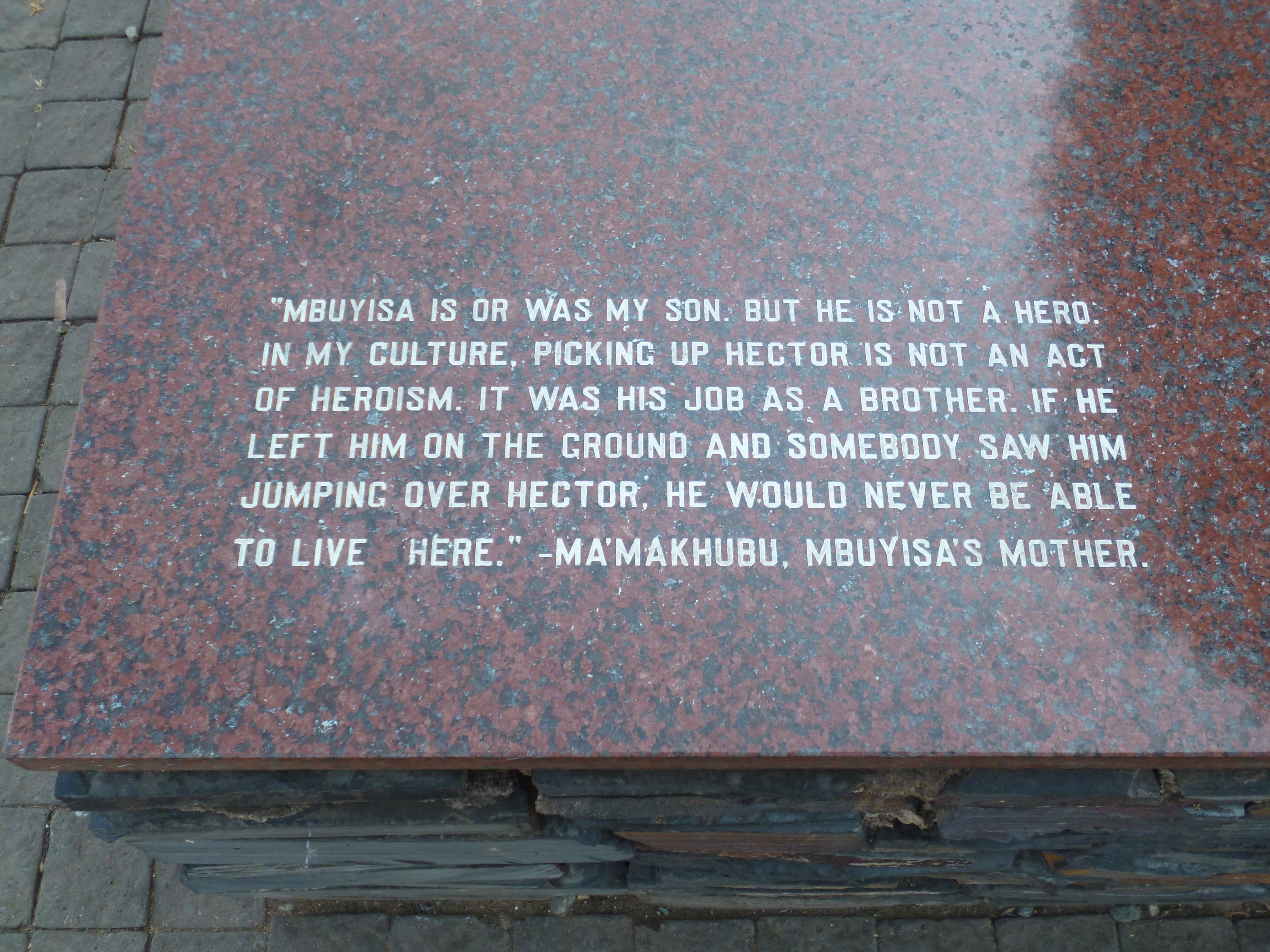
To the north of the famous Vilakazi St. is the Hector Pieterson Memorial. The square is dedicated to the 13 year old boy killed by police during the Soweto uprising. Next to it stands the Museum that offers an interesting reconstruction of life in Soweto and the history of the struggle for freedom. They retraced the tragic events of 16 June 1976, when a peaceful protest of students, against the introduction of Afrikaans as the language of instruction, was violently suppressed by the police and Hector Peterson was killed. Very interesting and well organized museum !!!
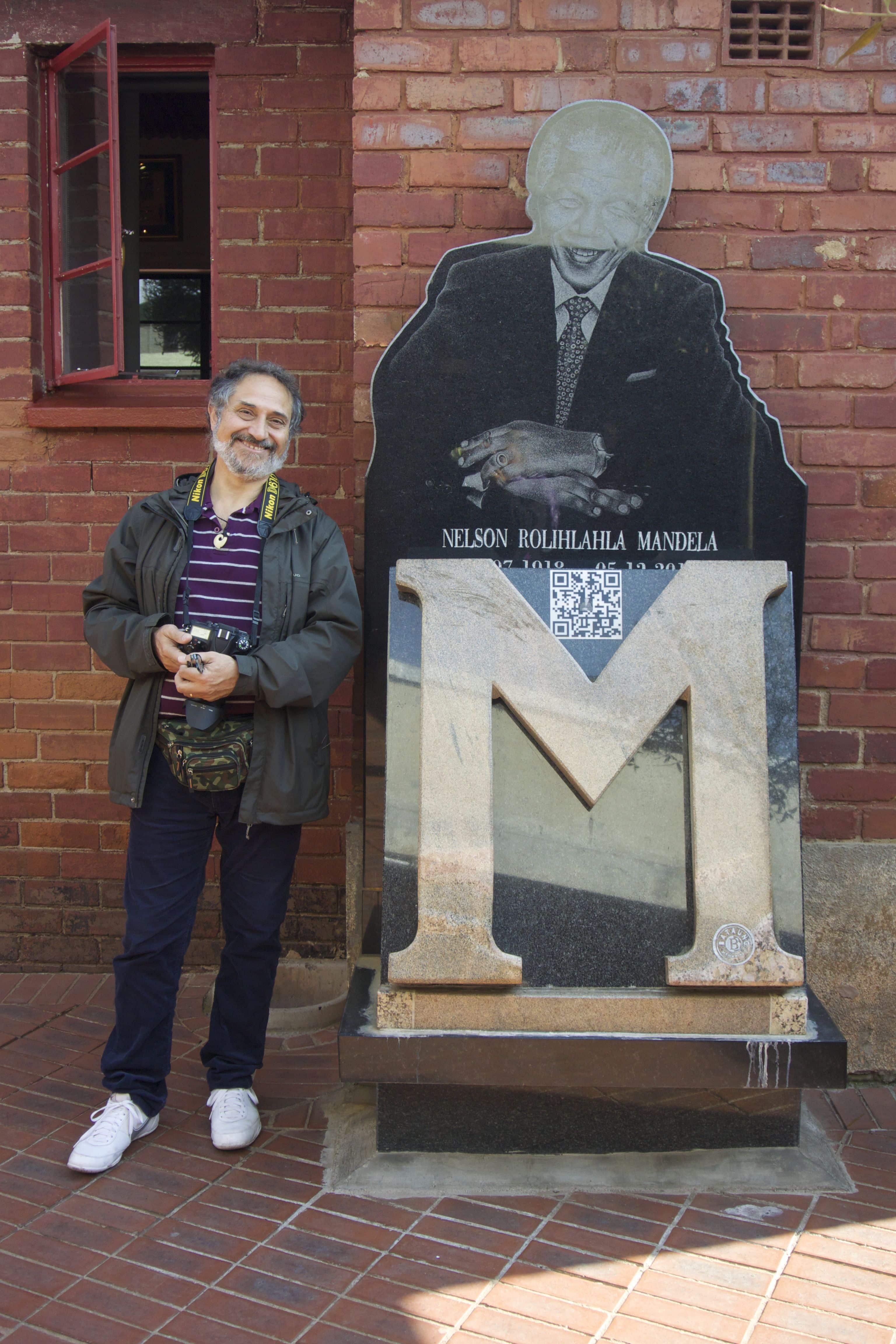
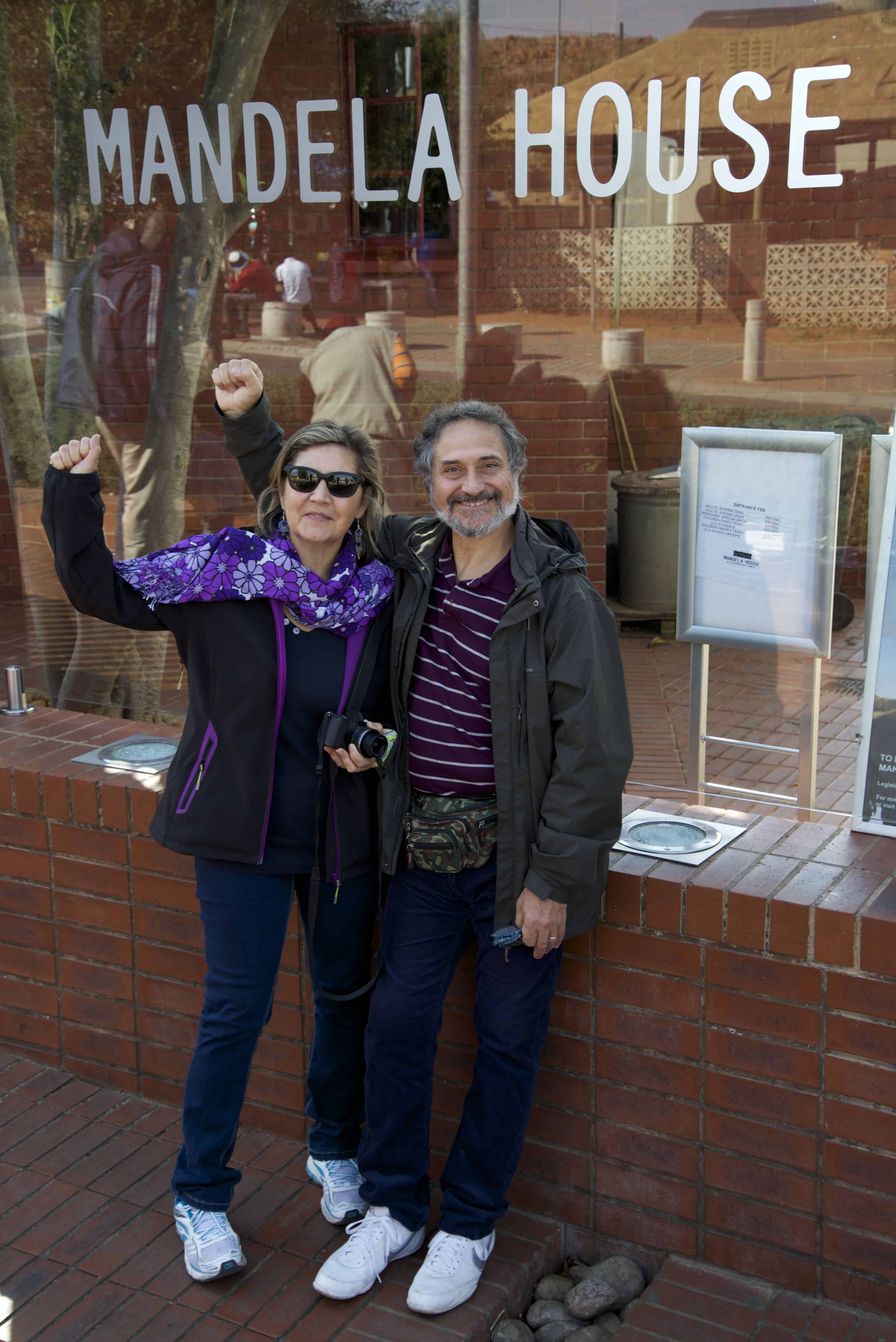
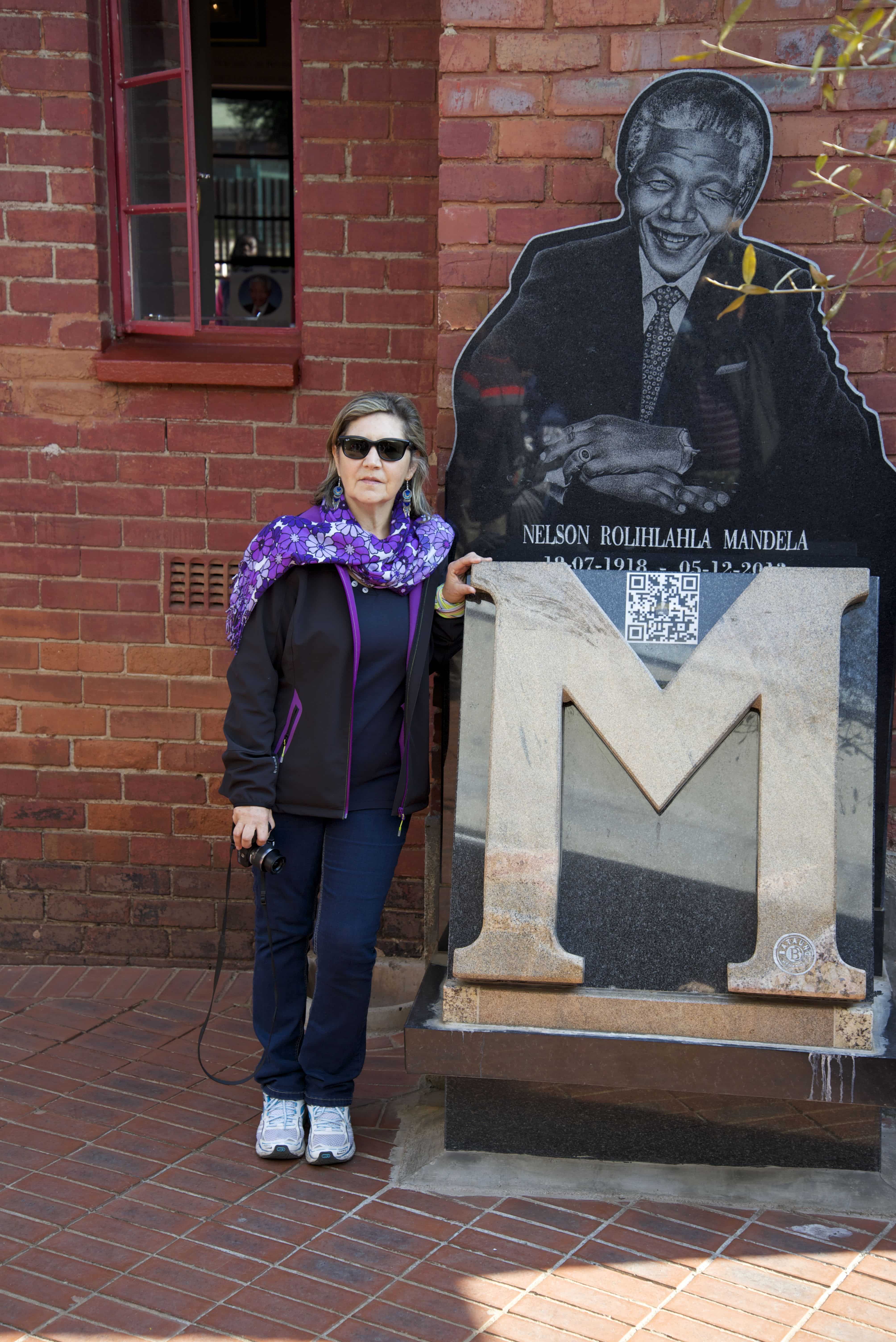
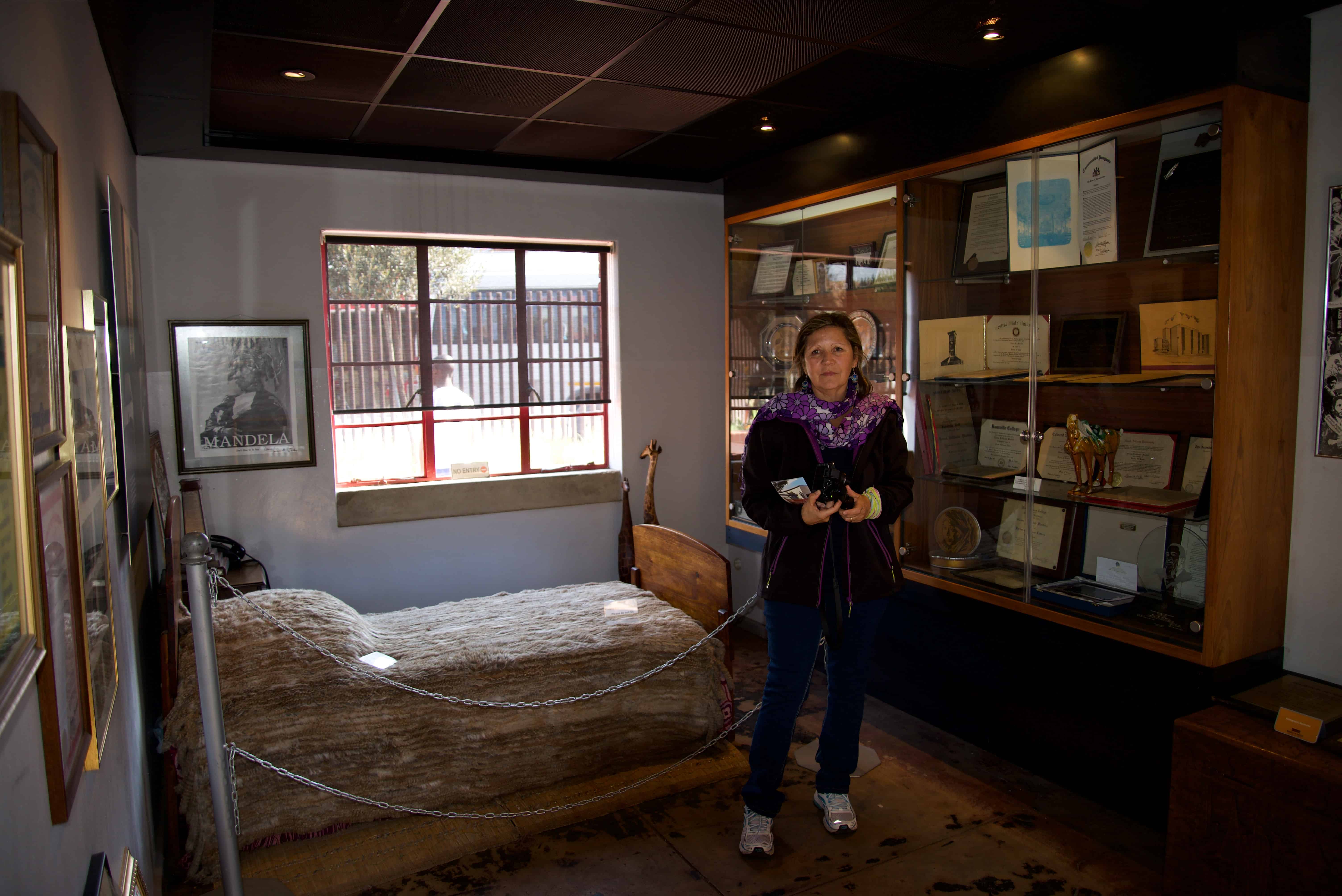
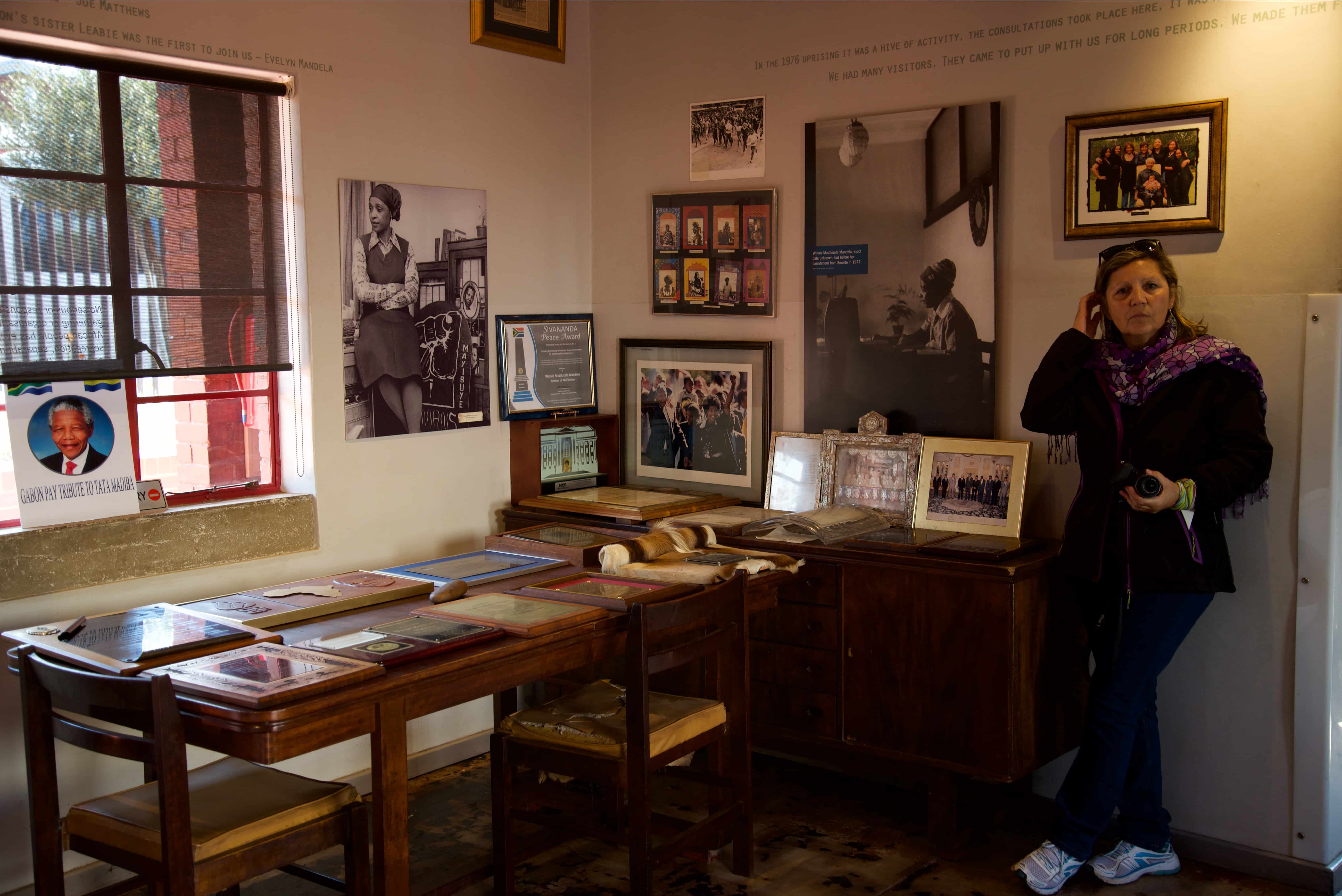
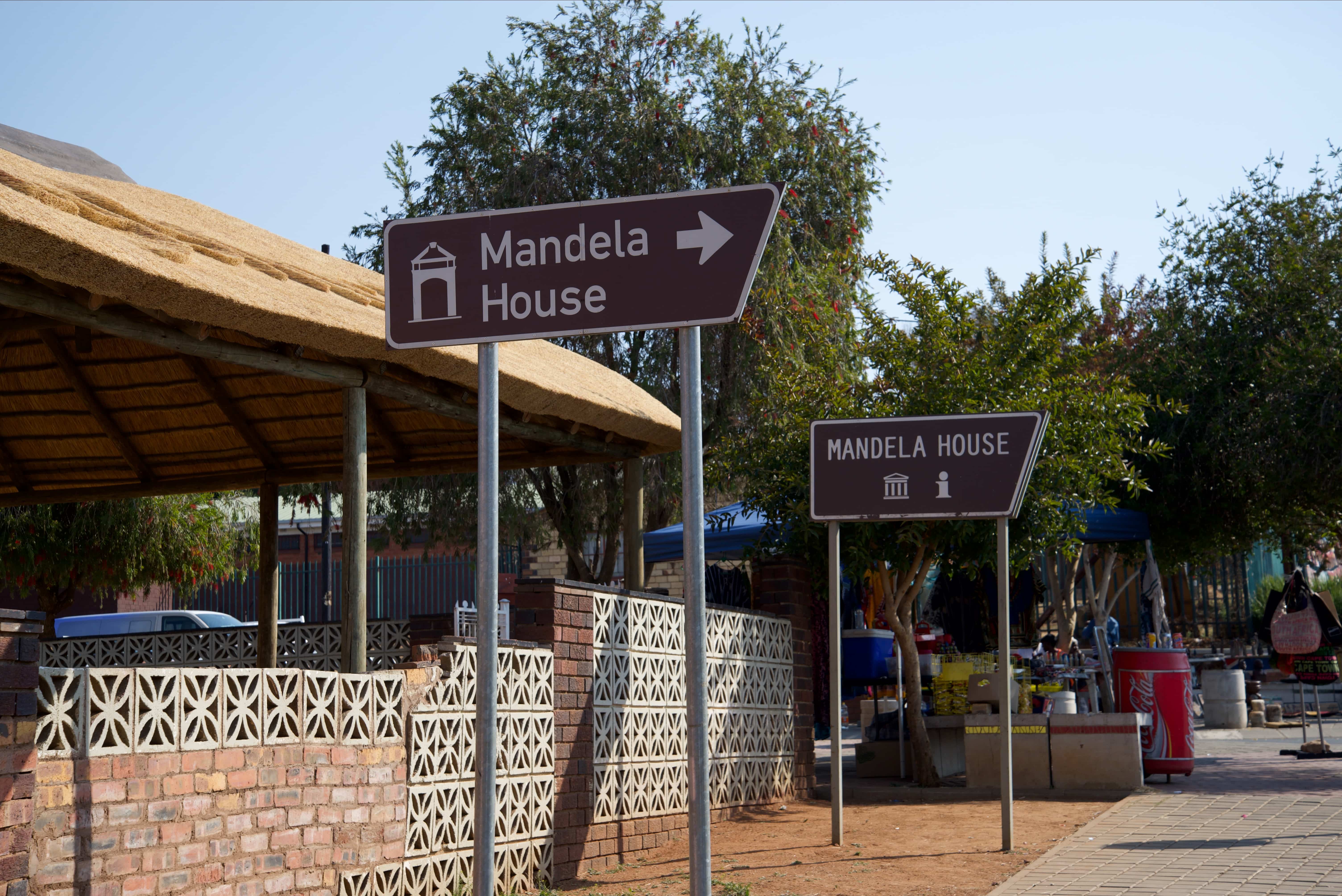
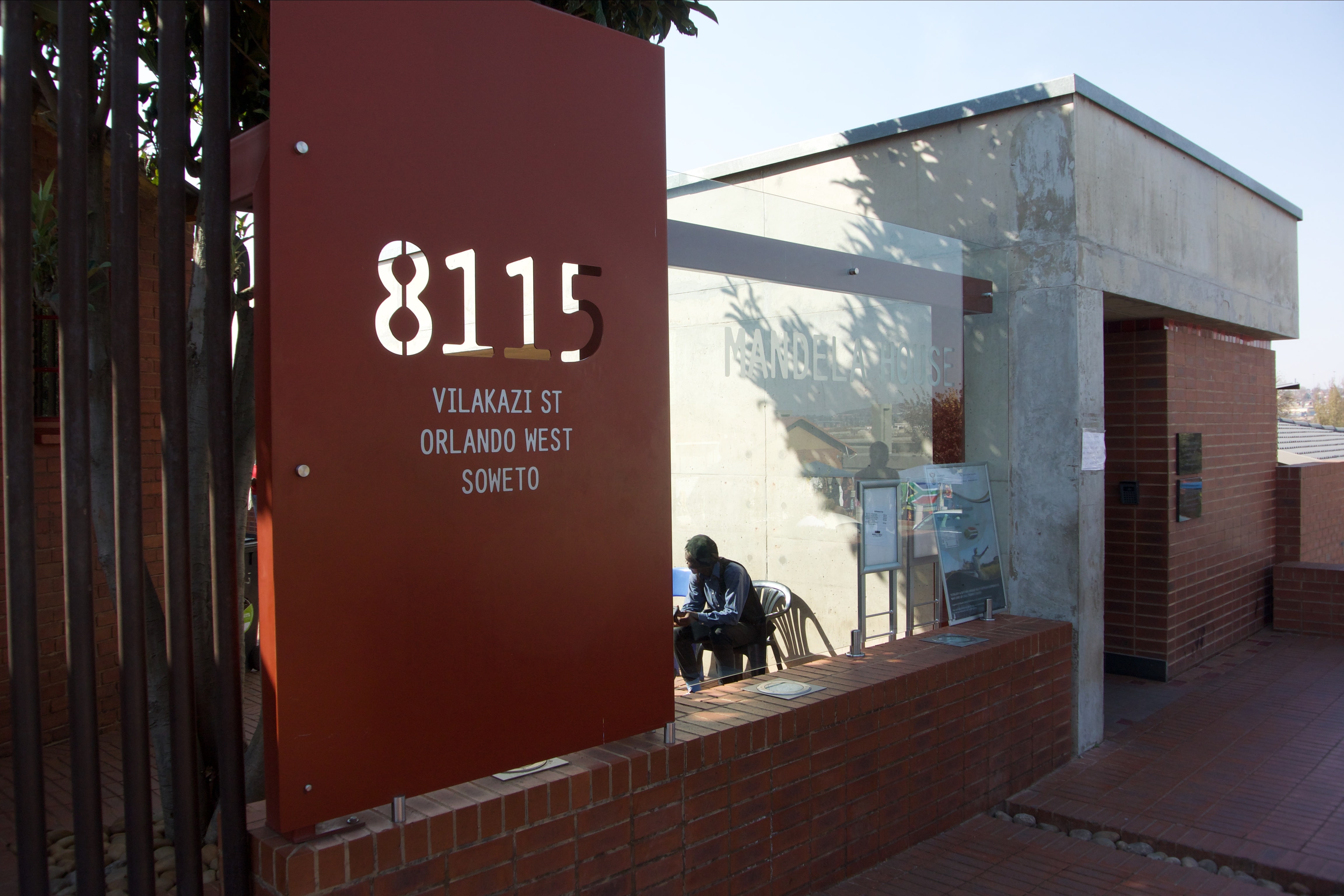
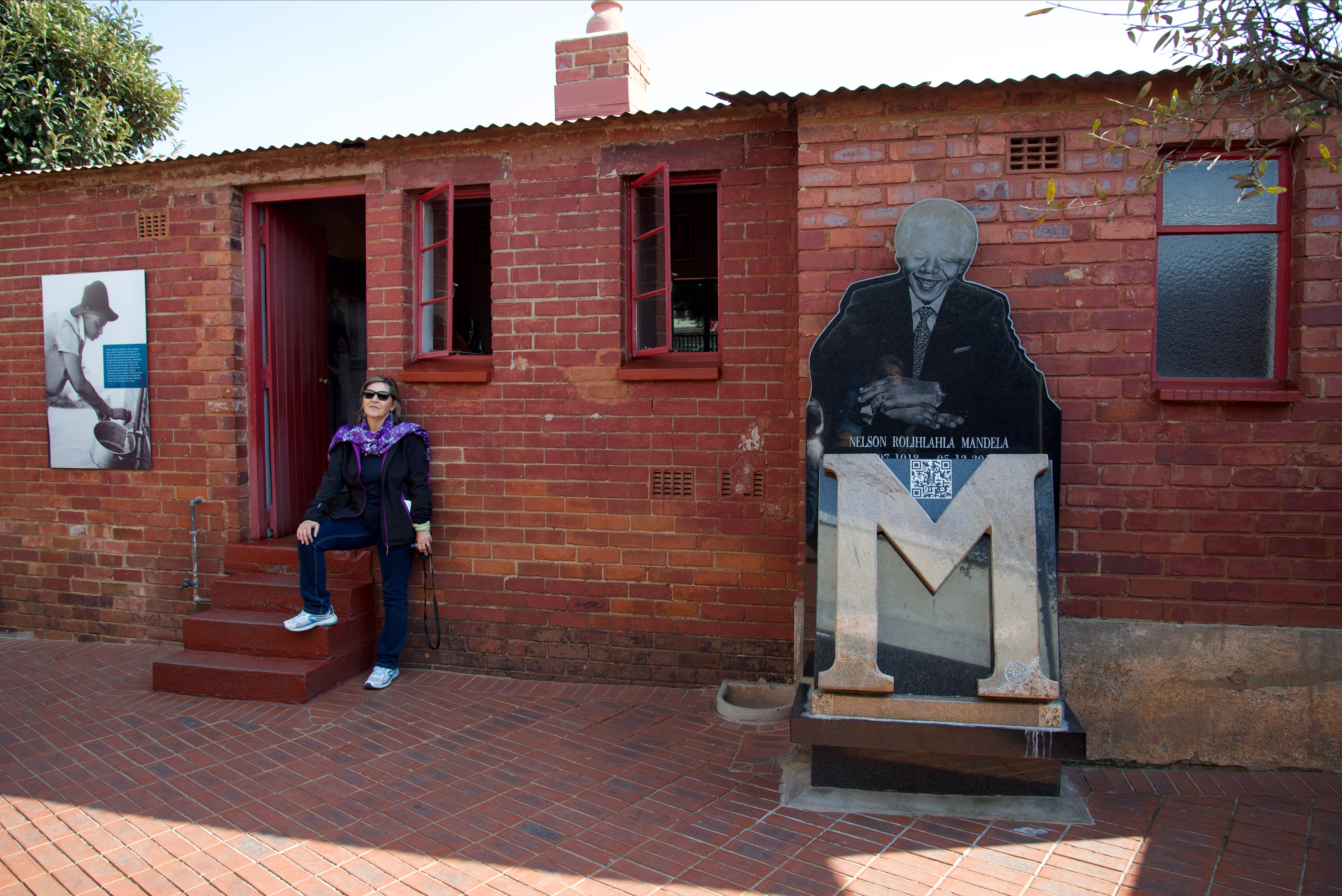
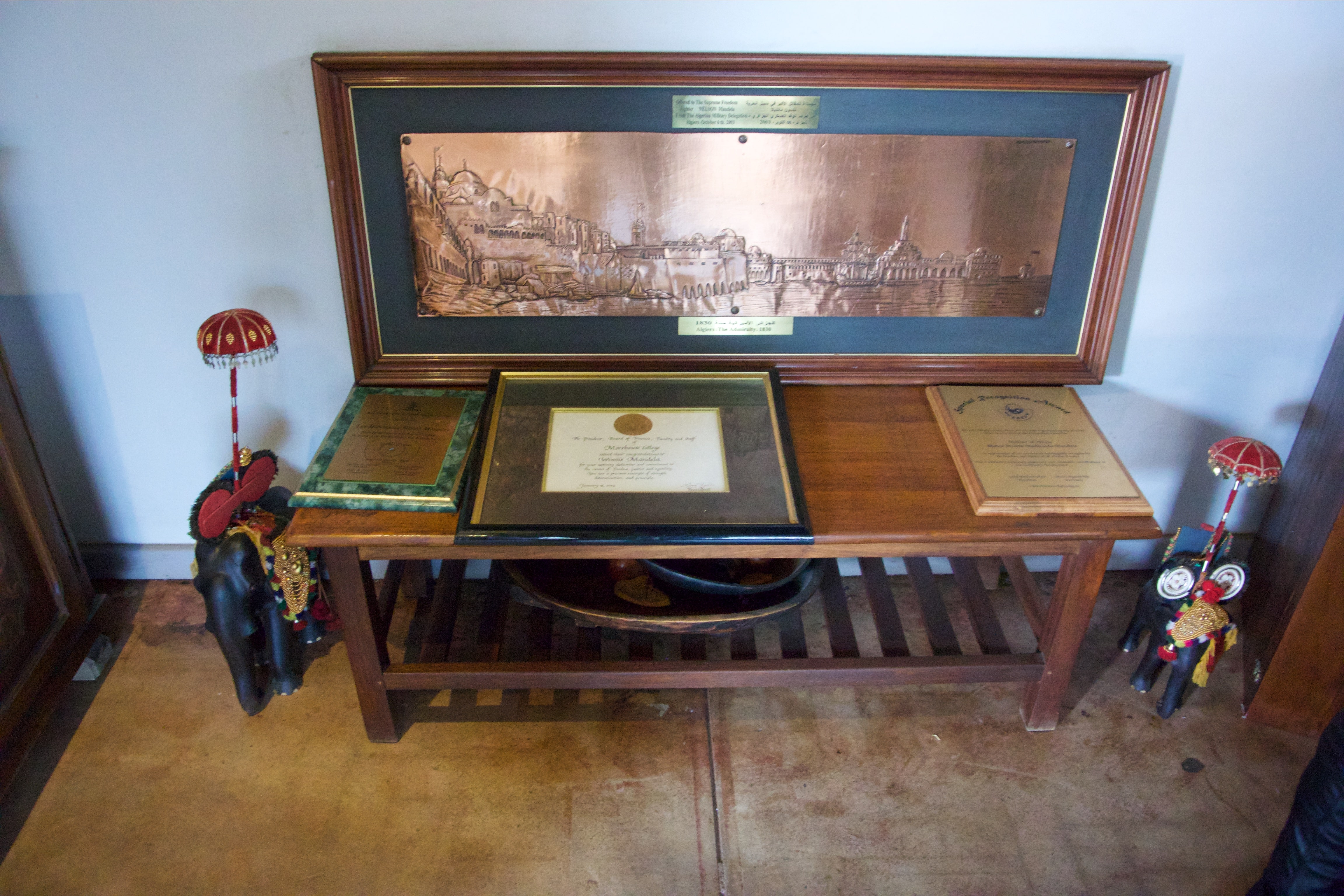
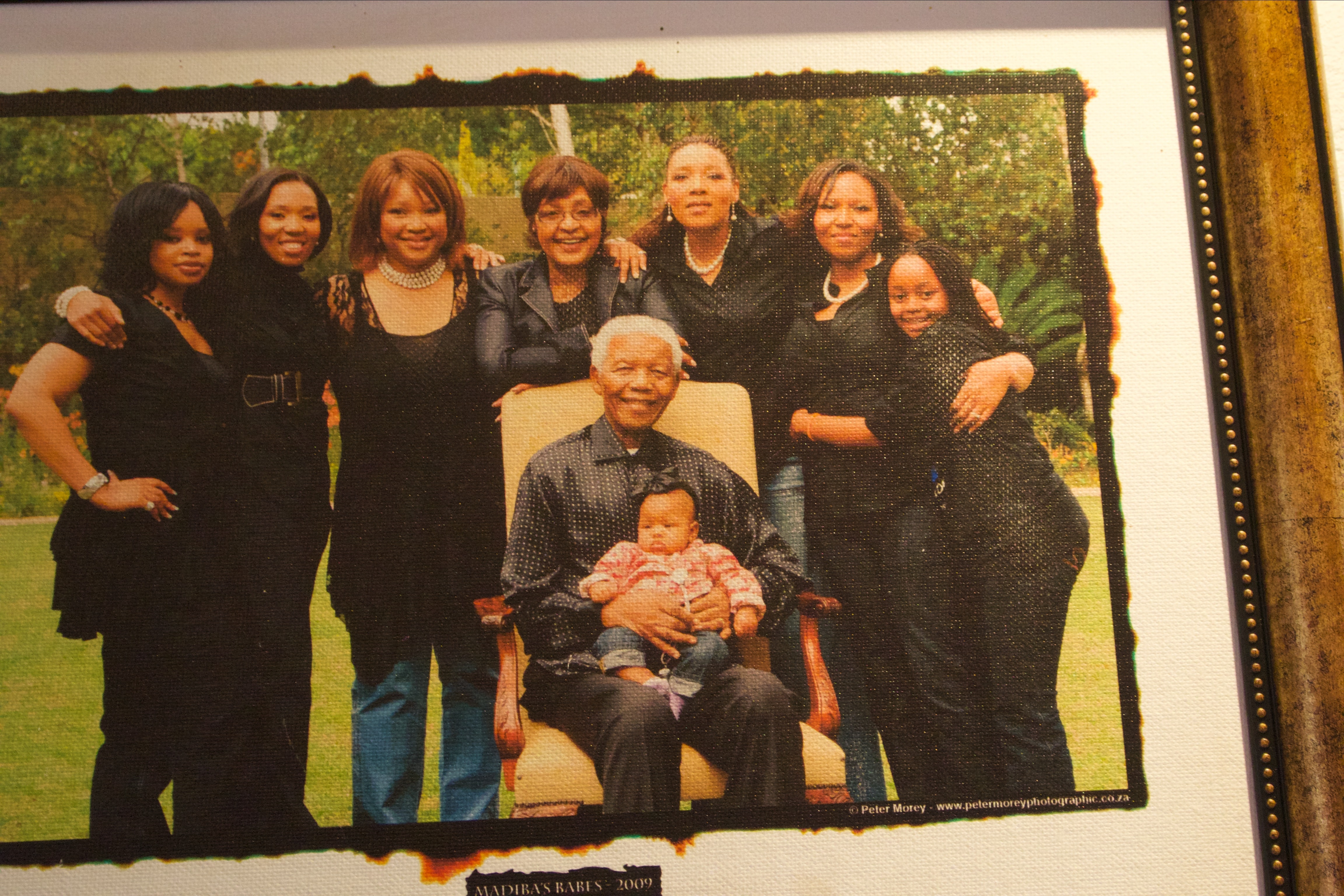
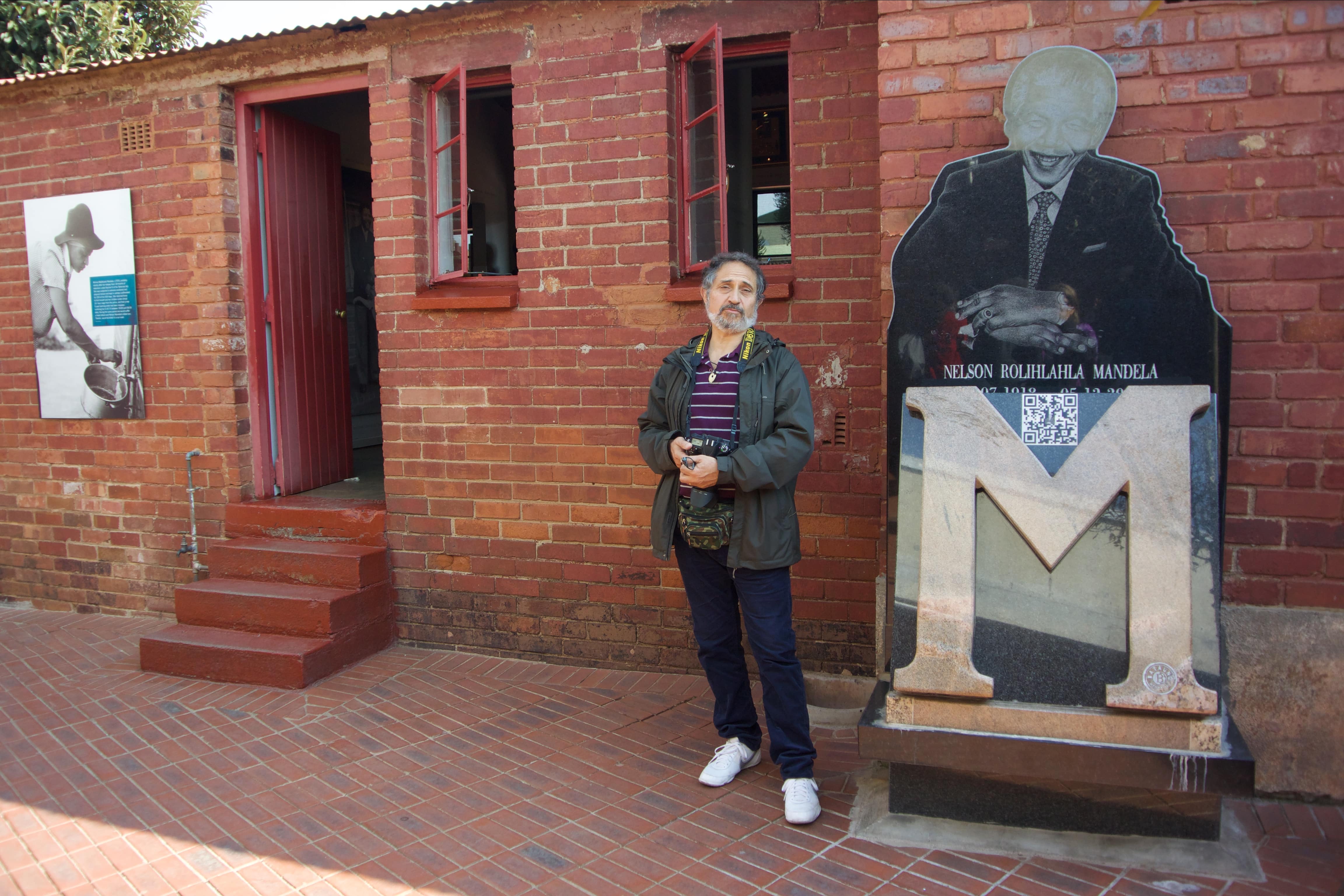
After seeing, from the car, the Regina Mundi Church, which played an important role in the struggle against apartheid, thanks to Archbishop Desmond Tutu, we arrive at Mandela House. This small house was rebuilt some time ago, Mandela lived there with his first wife Evelyn and later with the second Winnie. Interesting and full of family photos, furniture and many other items. In the garden under a tree, manuka, a raised arm with a clenched fist, carved out of marble gray, recalls the date of birth and death of the great man.
A few steps from the house of Mandela is that of Desmond Tutu.
We return to Johannesburg and are almost 14:30