The largest mosque in Istanbul was built by Amehed I° and was the first imperial mosque built in Istanbul after the Suleymaniye Mosque, built forty years before. It was built on the site of the Great Palace of Constantinople, in front of Hagia Sophia (at that time the most venerated mosque in Istanbul) and the hippodrome, another site of great symbolic significance. The opening ceremony took place in 1617 (although the gate of the mosque to remember the previous year) and the sultan was able to pray in his own space (Hunkar mahfil).
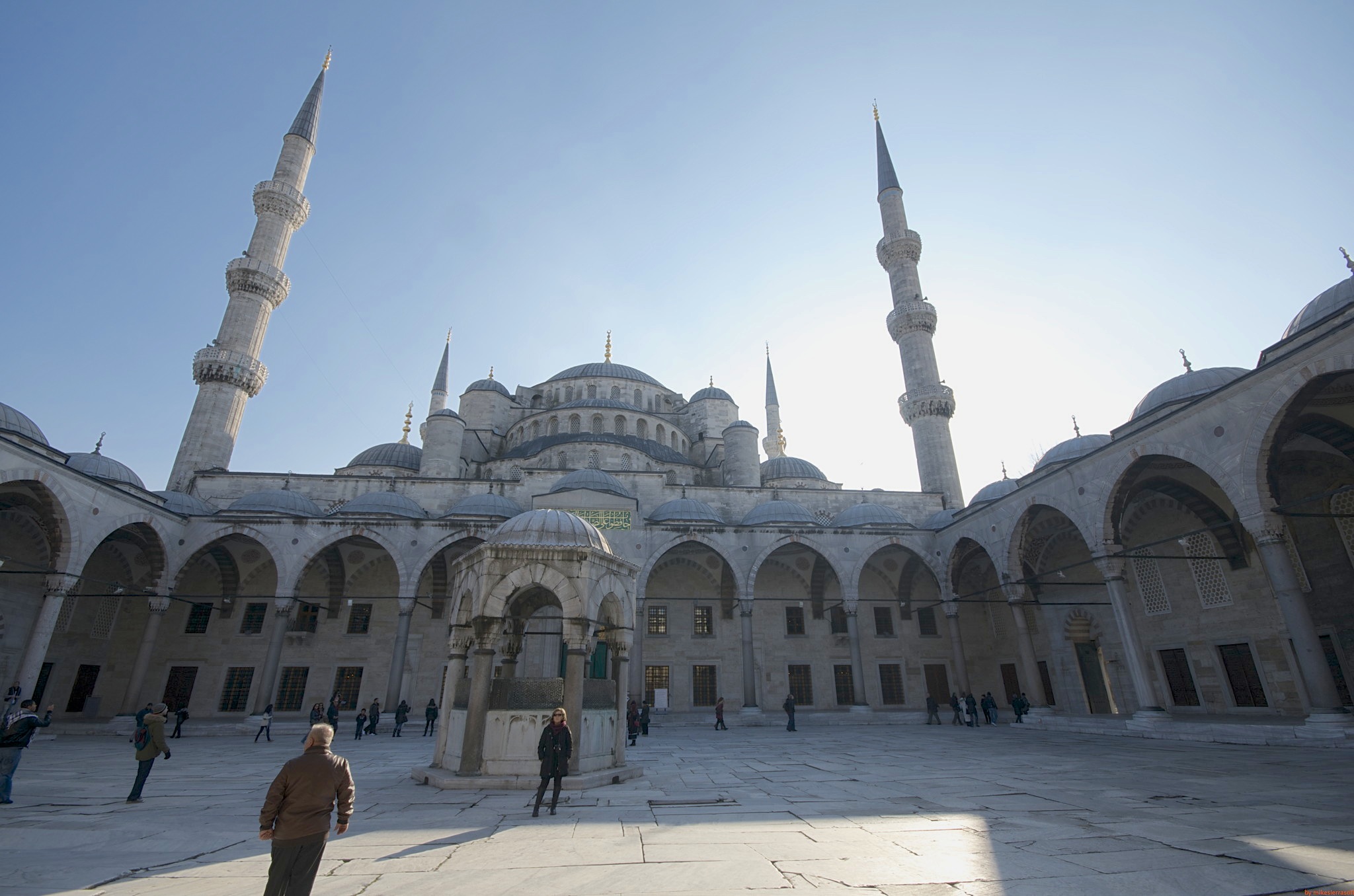
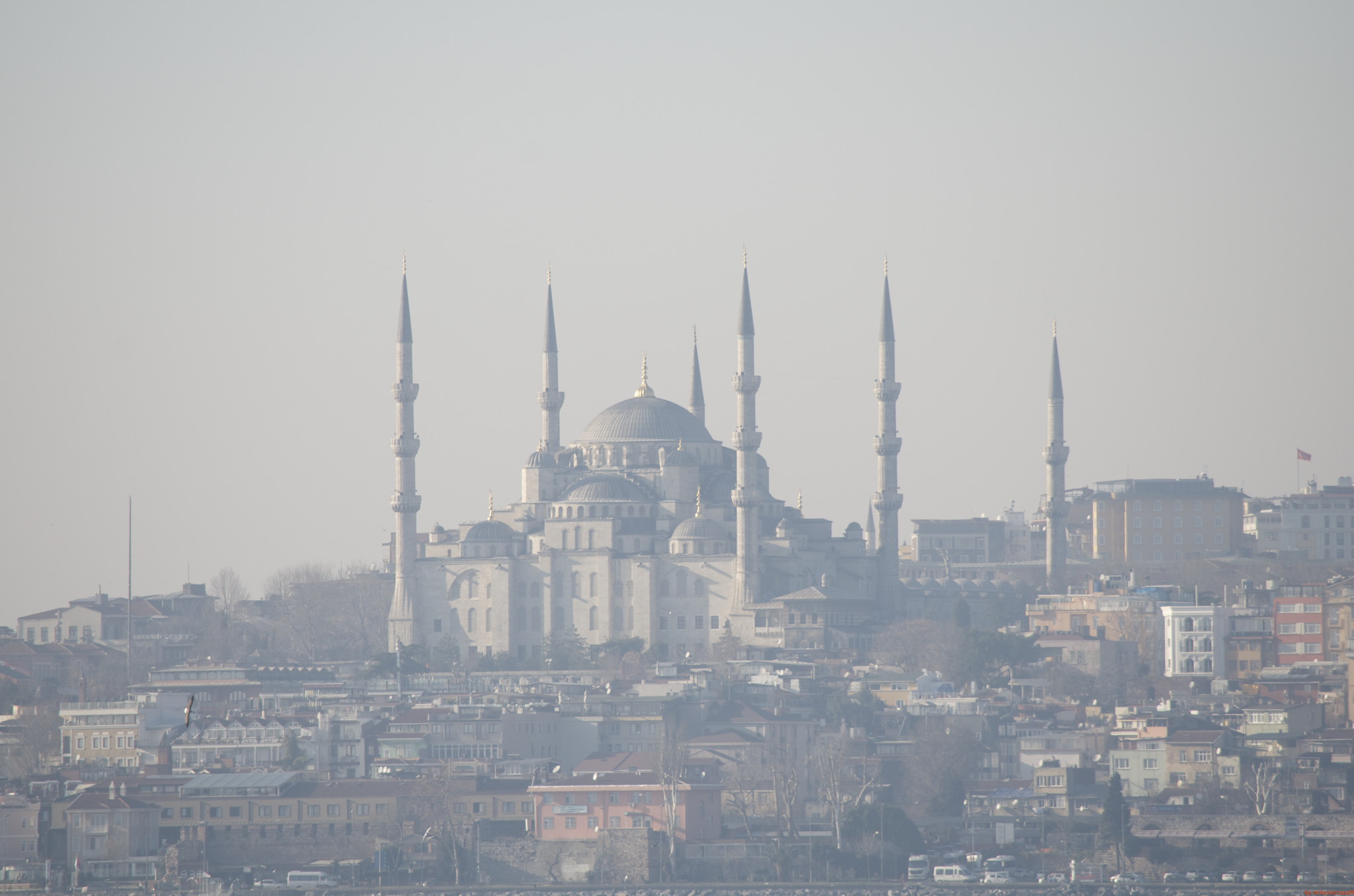
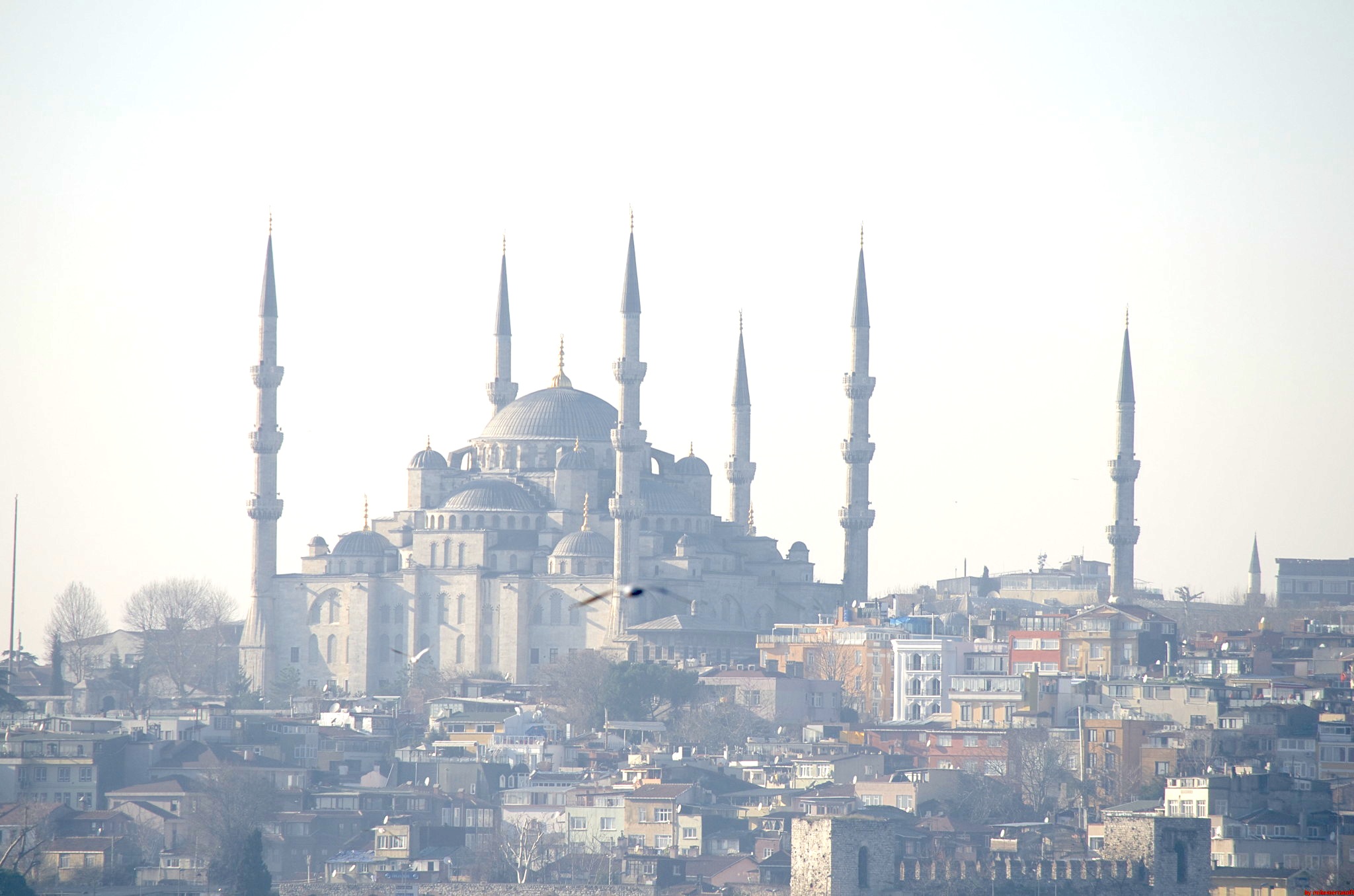
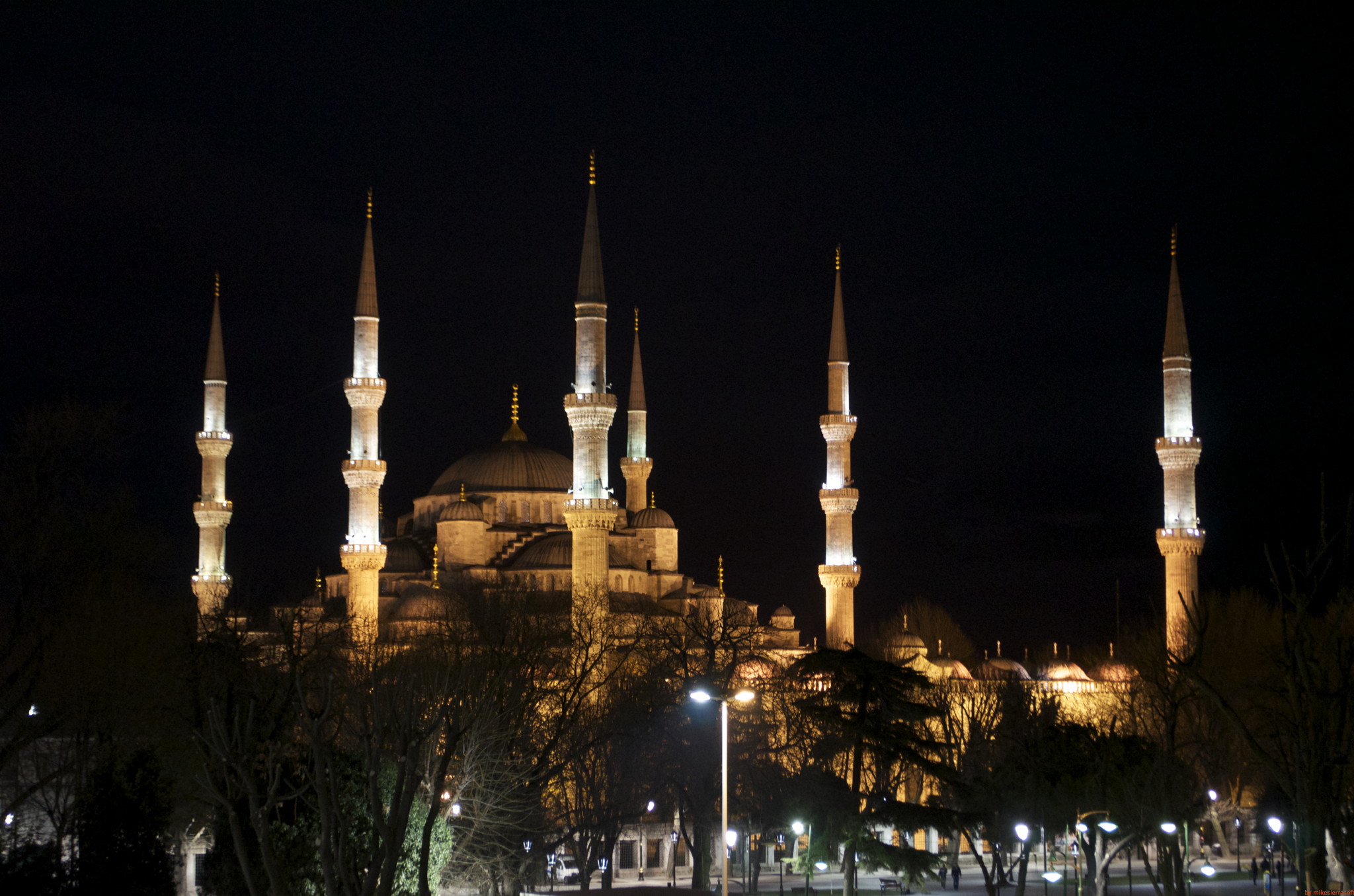
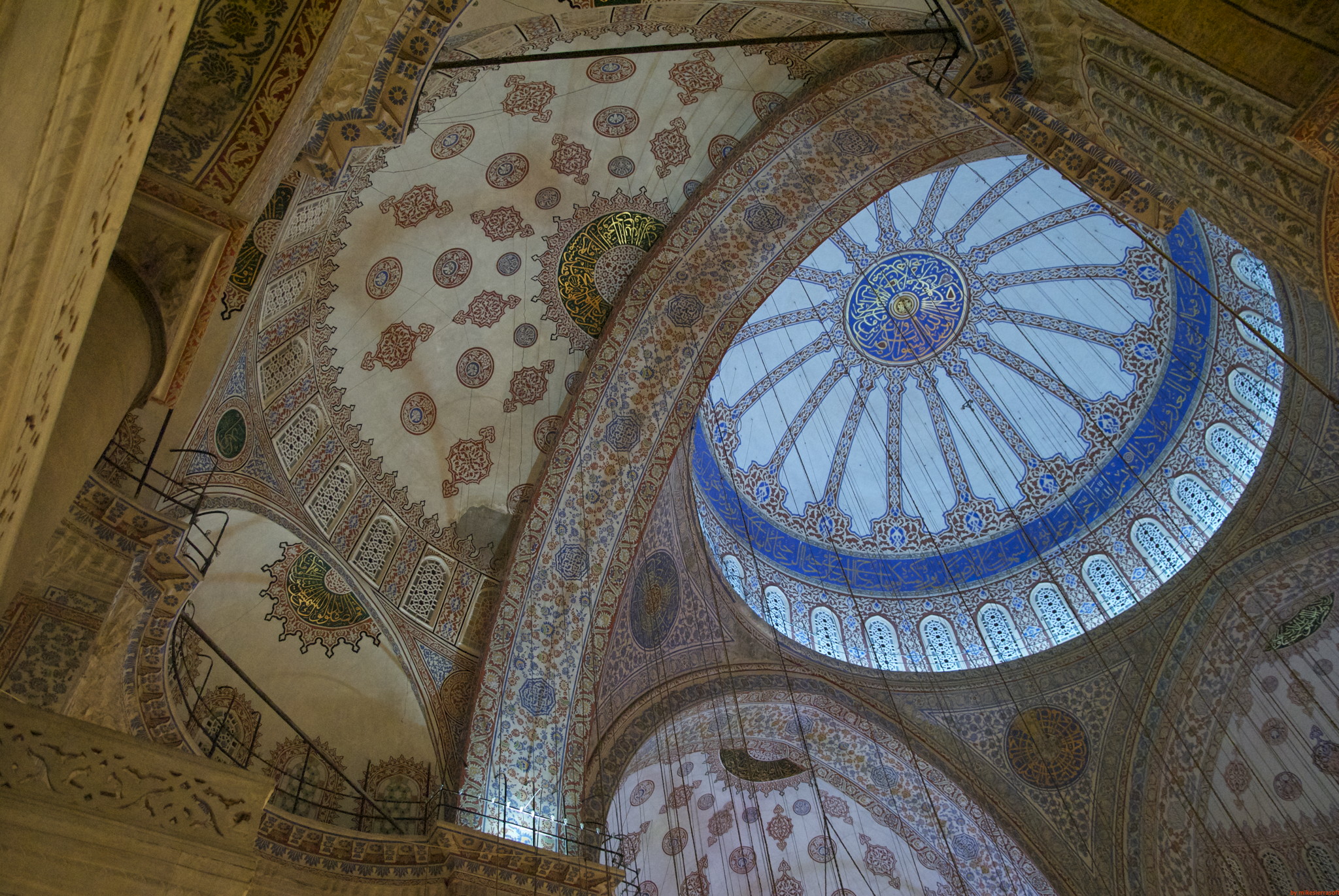
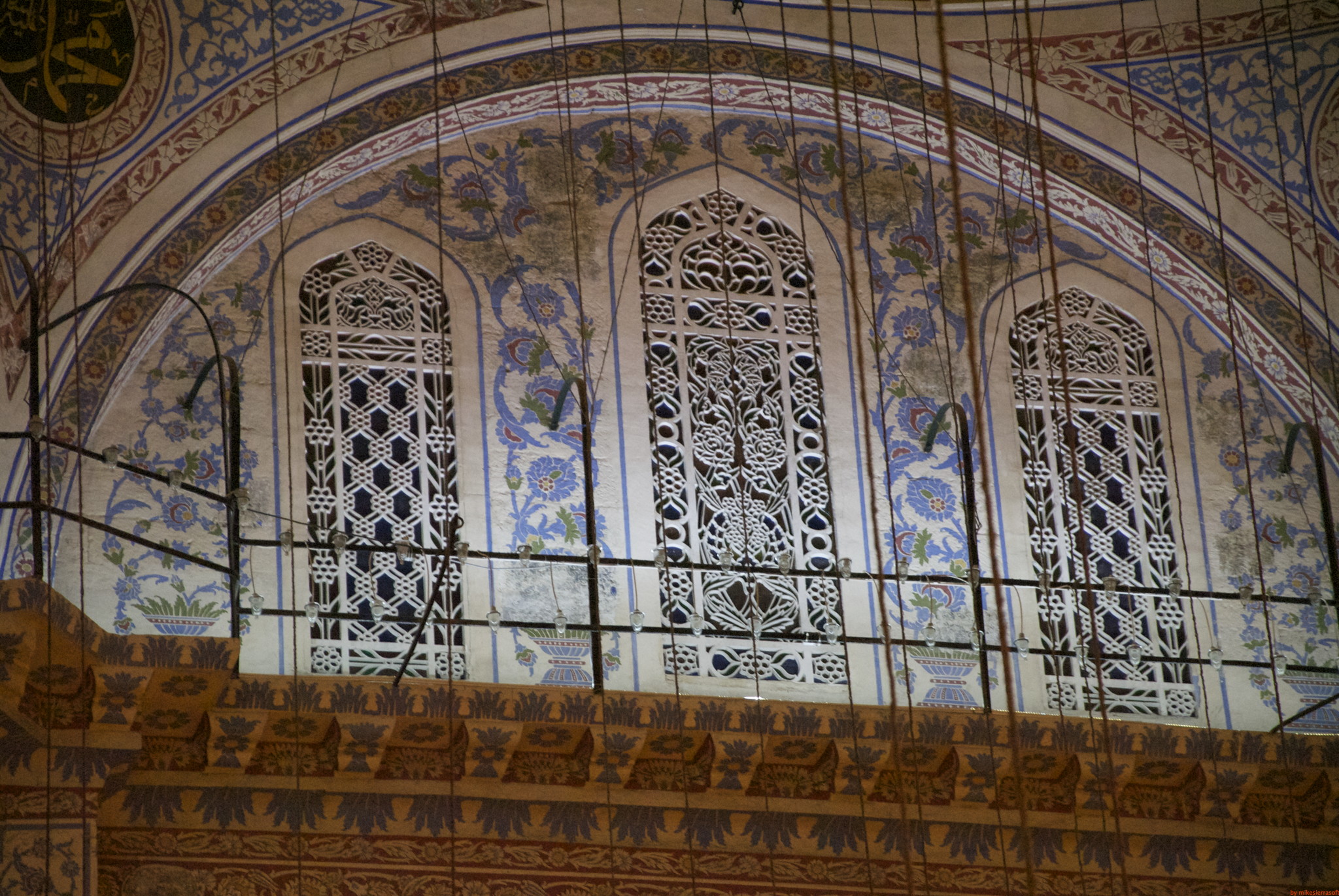
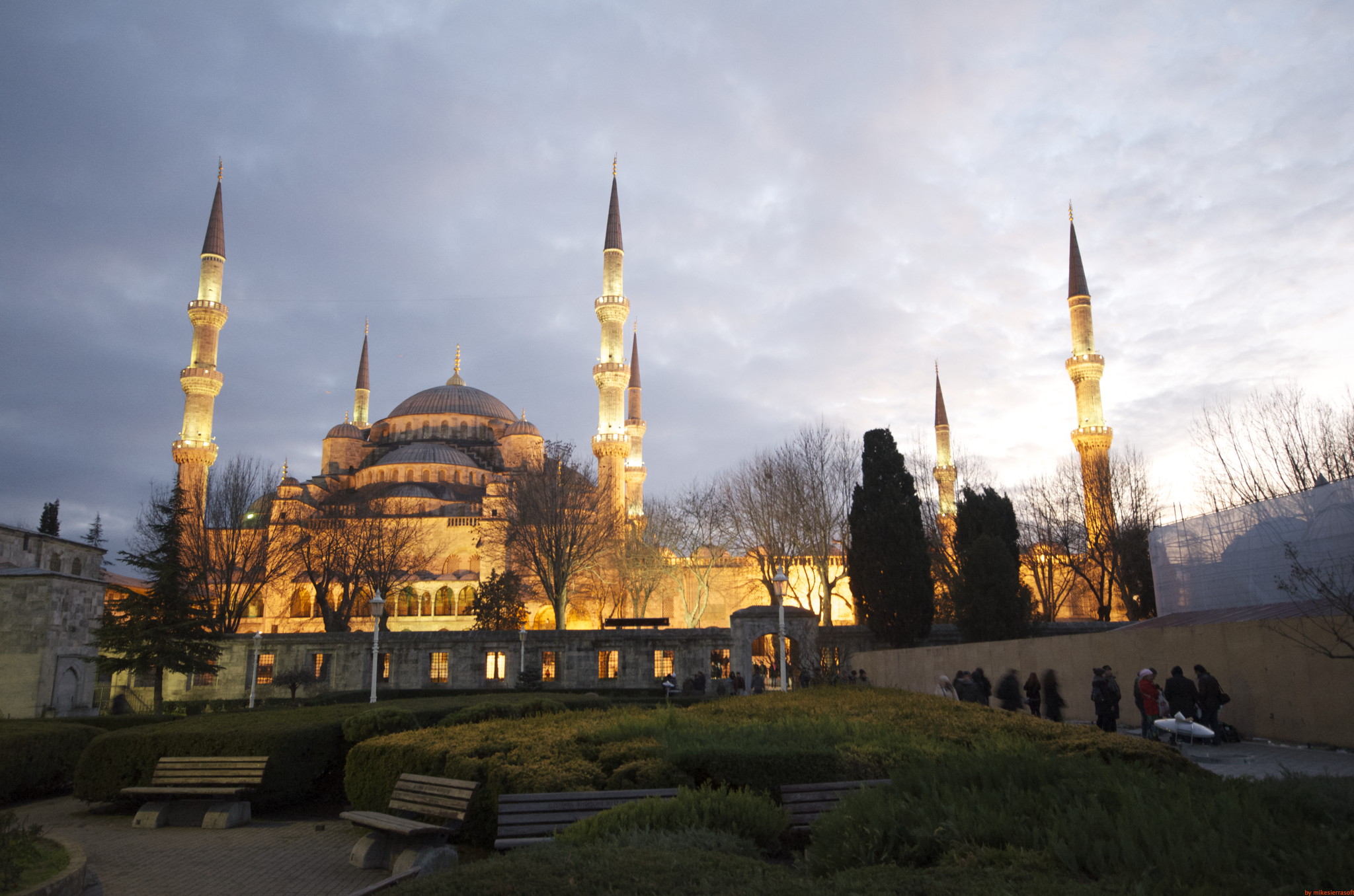
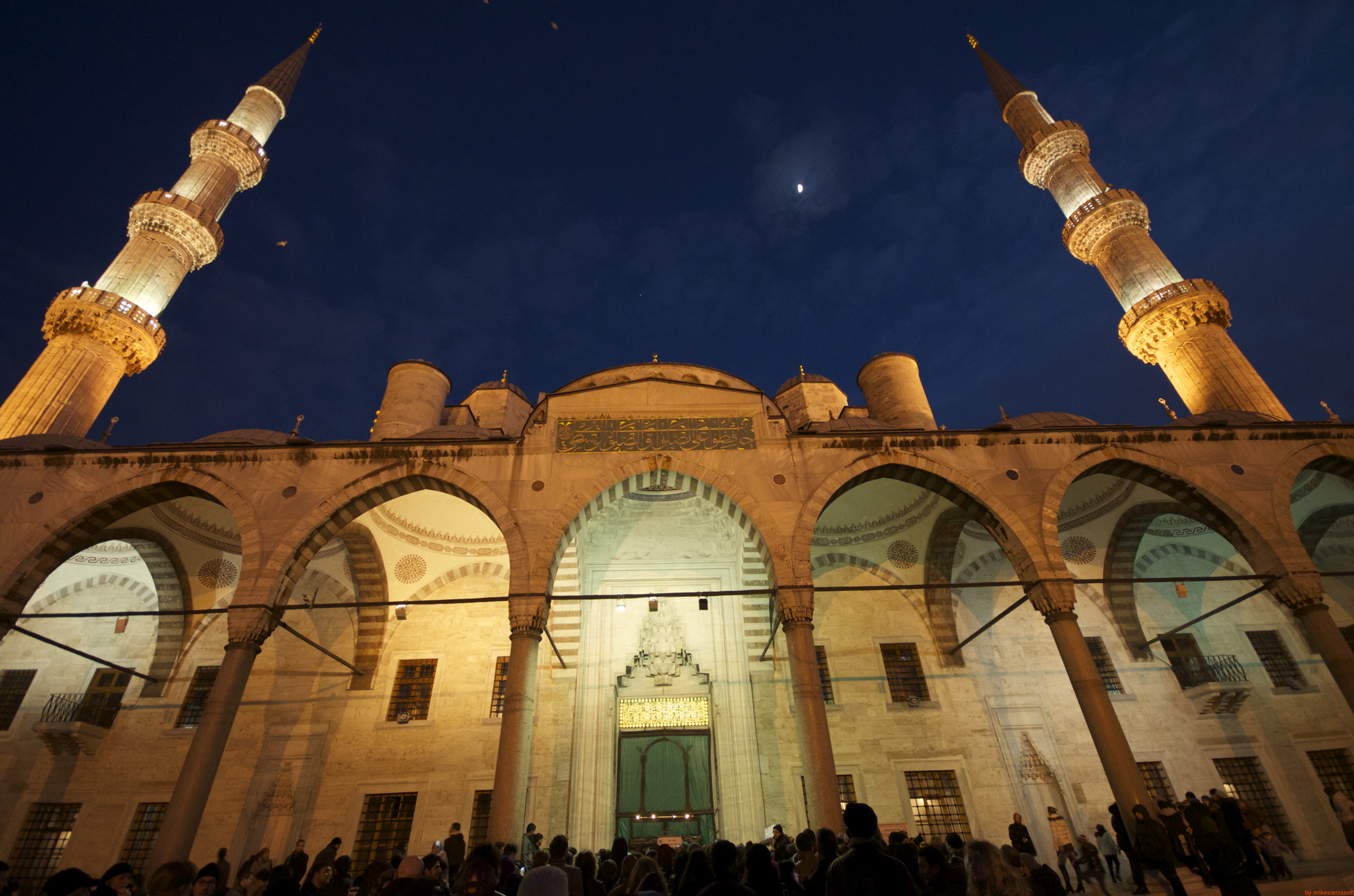
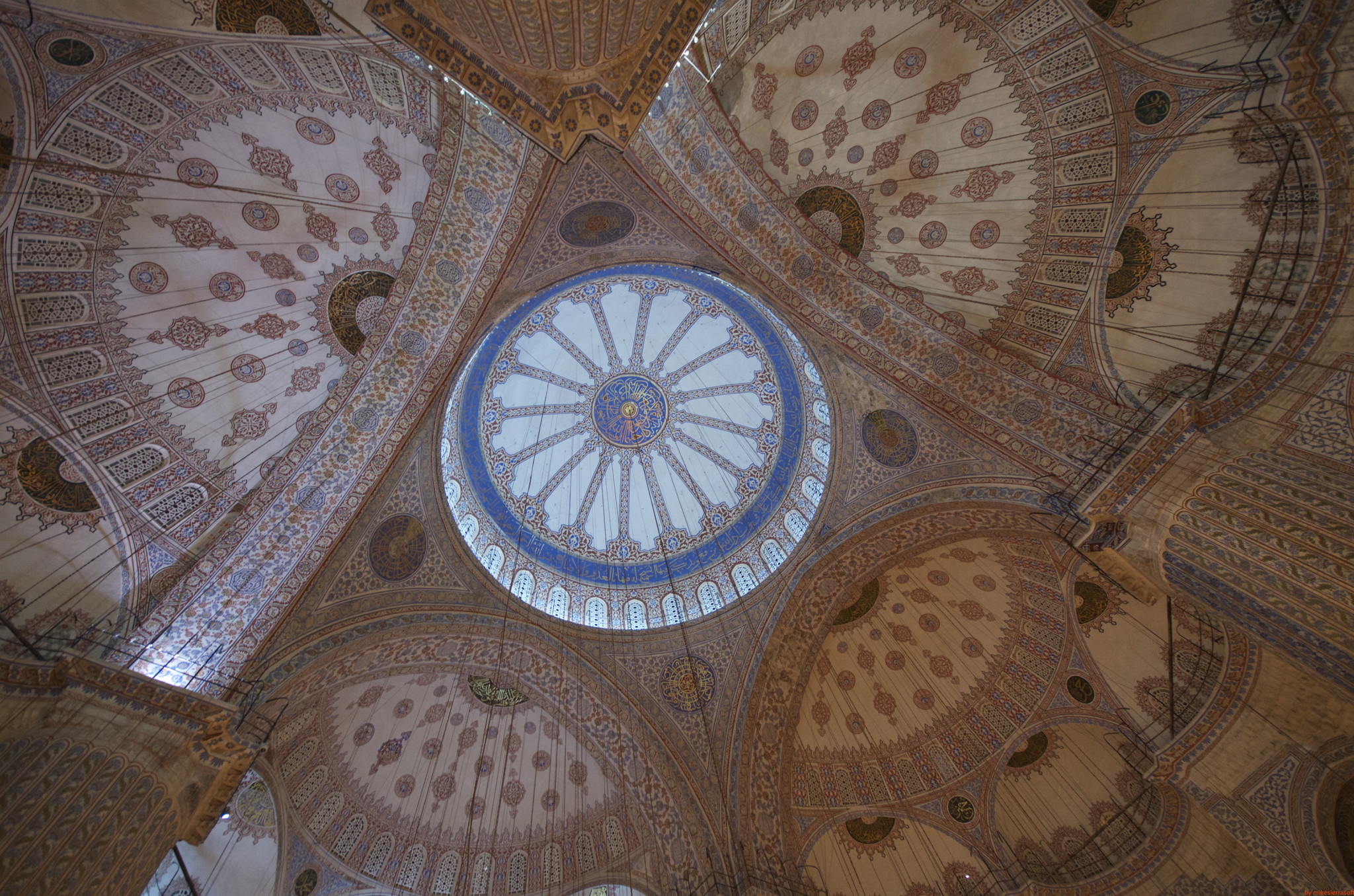
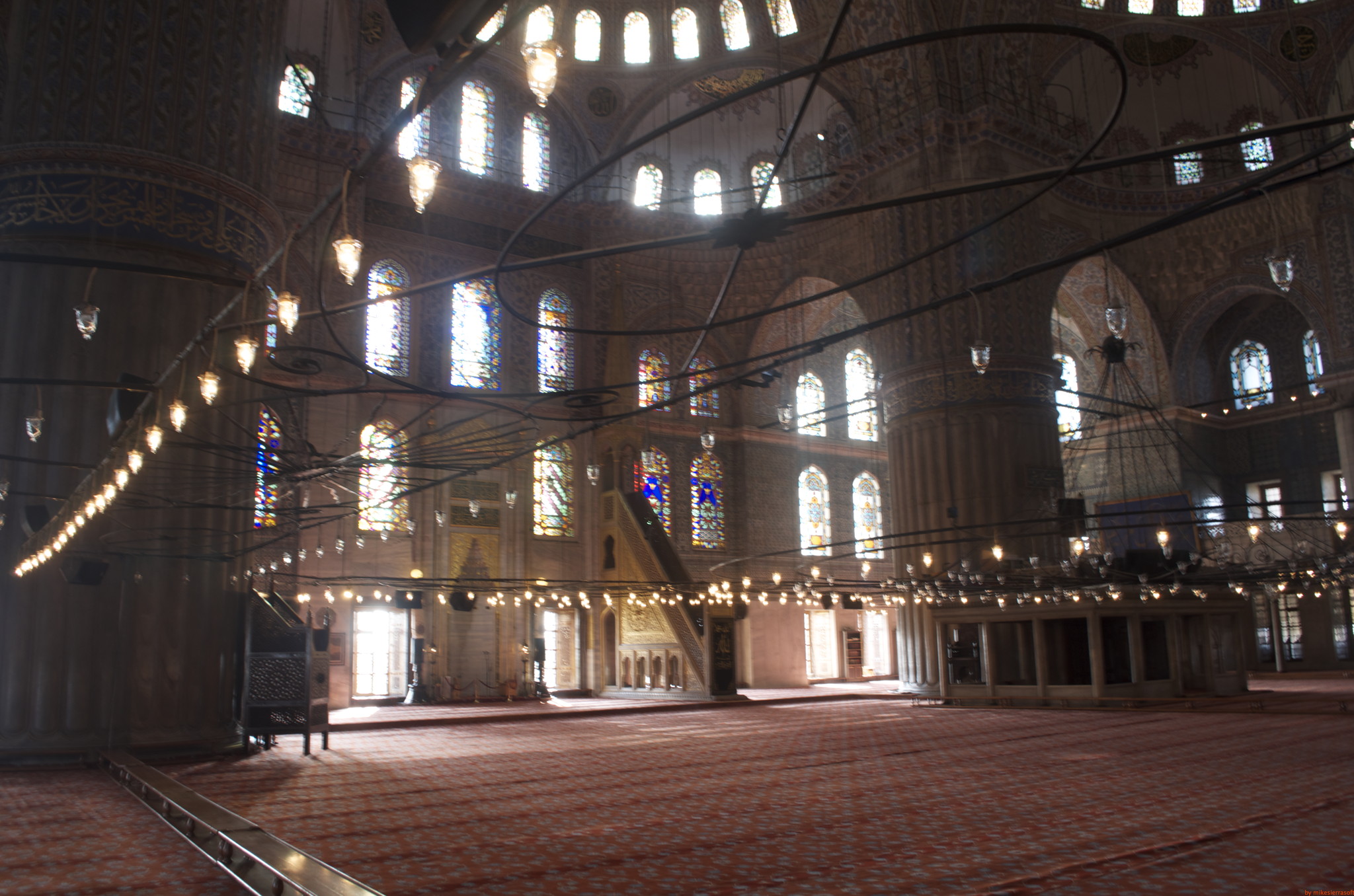
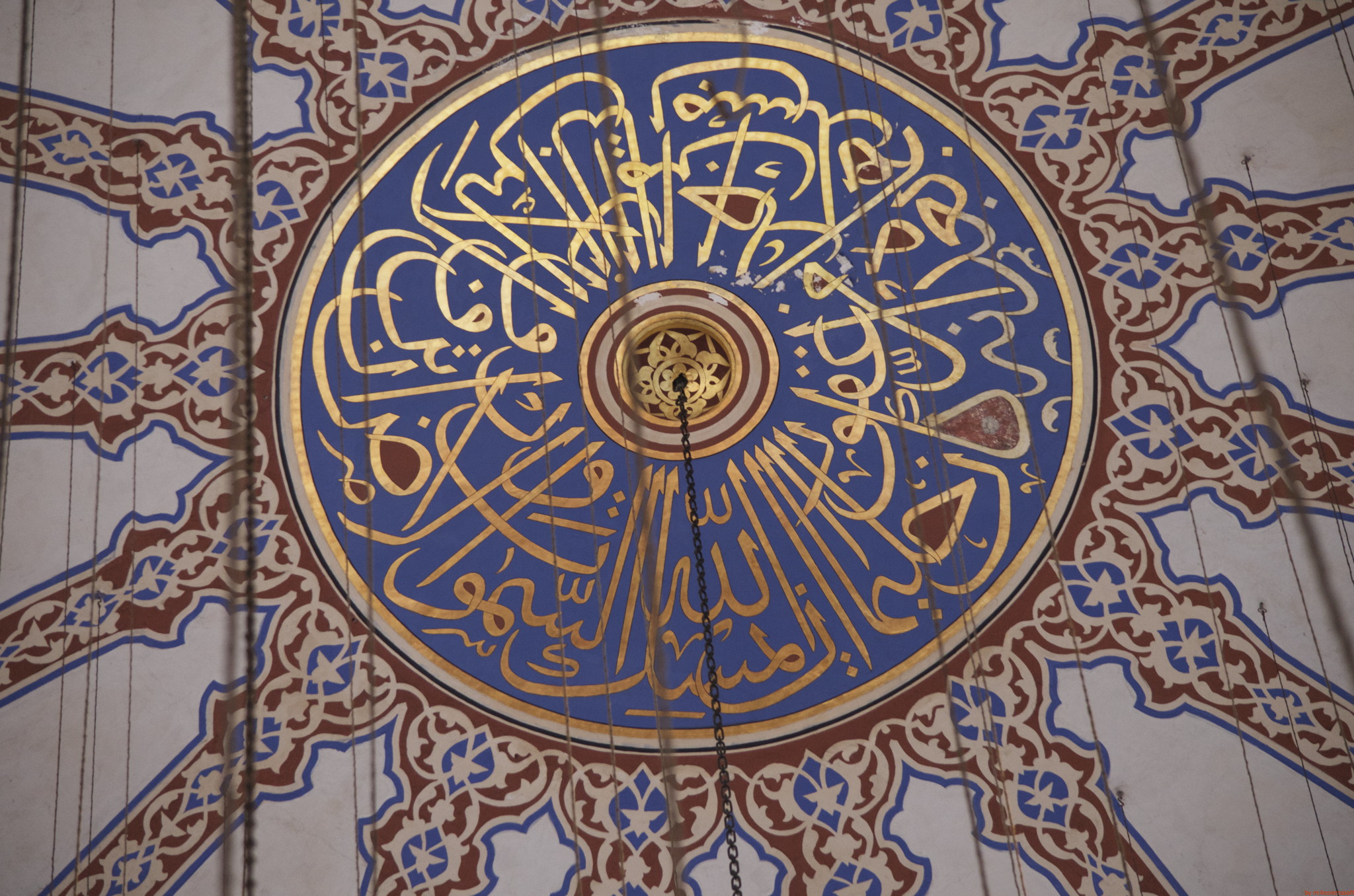
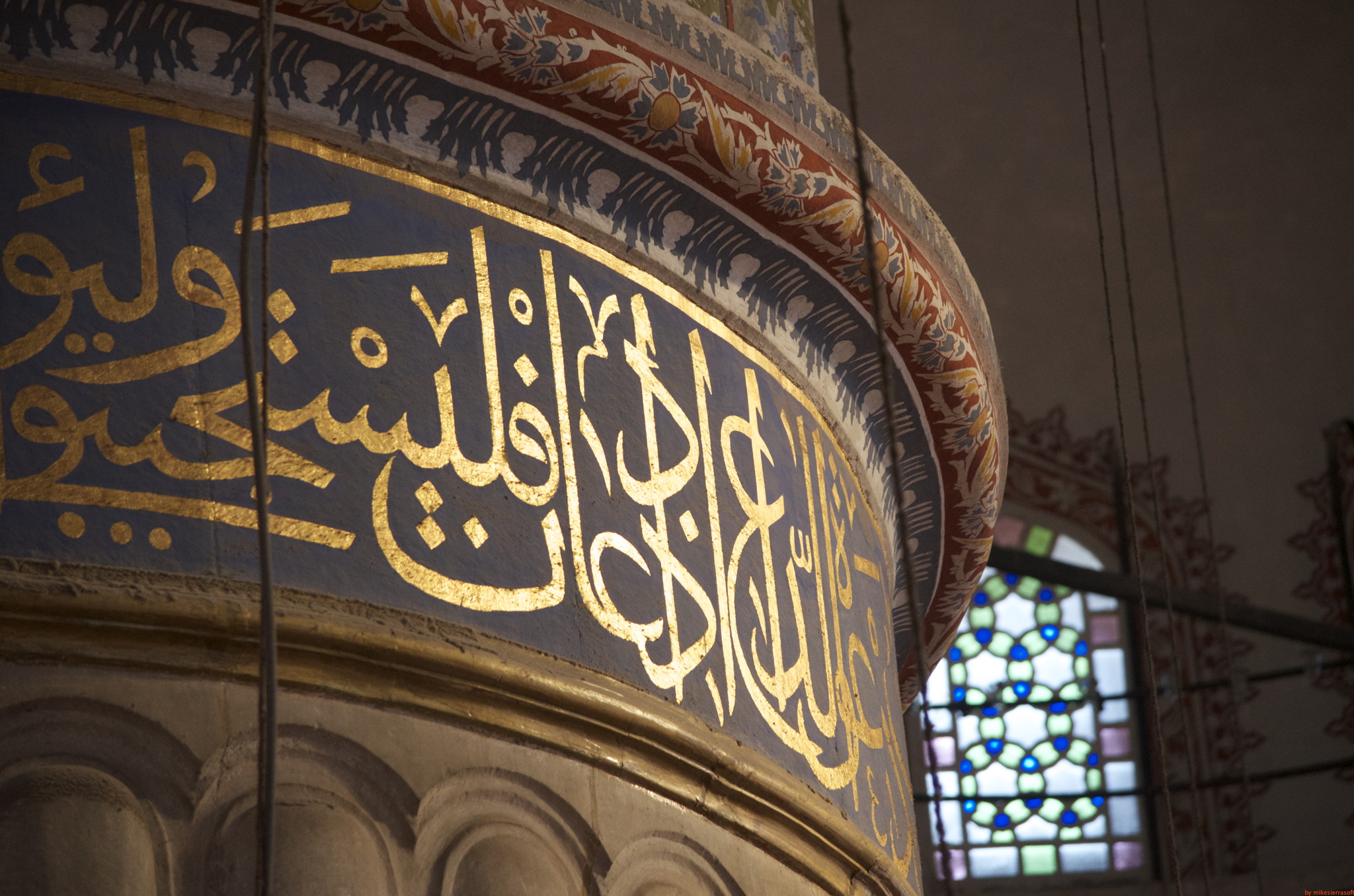
Is universally known as the Blue Mosque. Its name comes from the 21,043 turquoise ceramic tiles coming from Iznik, the ancient Nicaea, inserted in the walls and the dome. Illuminated by the light filtering through 260 windows, that give the large prayer hall suggestive as surreal atmosphere . The Blue Mosque, is also the only one that can boast six minarets, exceeded only in that the mosque of the Ka’ba in Mecca, which has seven. This striking architectural feature is due, according to a popular story, to a misunderstanding: the expression of delusions of grandeur of Sultan Ahmed I, not being able to match the magnificence of the Suleymaniye Mosque or the Hagia Sophia, found no better solution to try to distinguish with minarets in gold The architect misunderstood but the words of the Sultan, realizing “Alta” (in turkish “six”) instead of “Altın” (gold).

